Projects Overview

Full-stack engineer building real-time collaboration platforms, AI systems, and developer productivity tools.

Architecture training (AA, cybernetics, complexity) informing technical architecture and systems design.

Four selected projects below. Full index in sidebar.

Working Domains

Real-time collaboration platforms and productivity tools

AI integration (educational systems, developer tooling)

Platform architecture and infrastructure systems

Cross-platform development (web + desktop + mobile)

Systems spanning software and physical interfaces

Selected Projects

Civic Models

Models of Abandonment

Models of Abandonment

Infrastructure Systems Analysis and Governance Framework

Role: Systems Research, Analysis and Environmental Governance Design Lead
Type: Geospatial Infrastructure Study and Civic Governance Framework
Stack: QGIS, Python, MATLAB, ArcGIS, LiDAR, AutoCAD Civil 3D, BIM
Region: United Kingdom


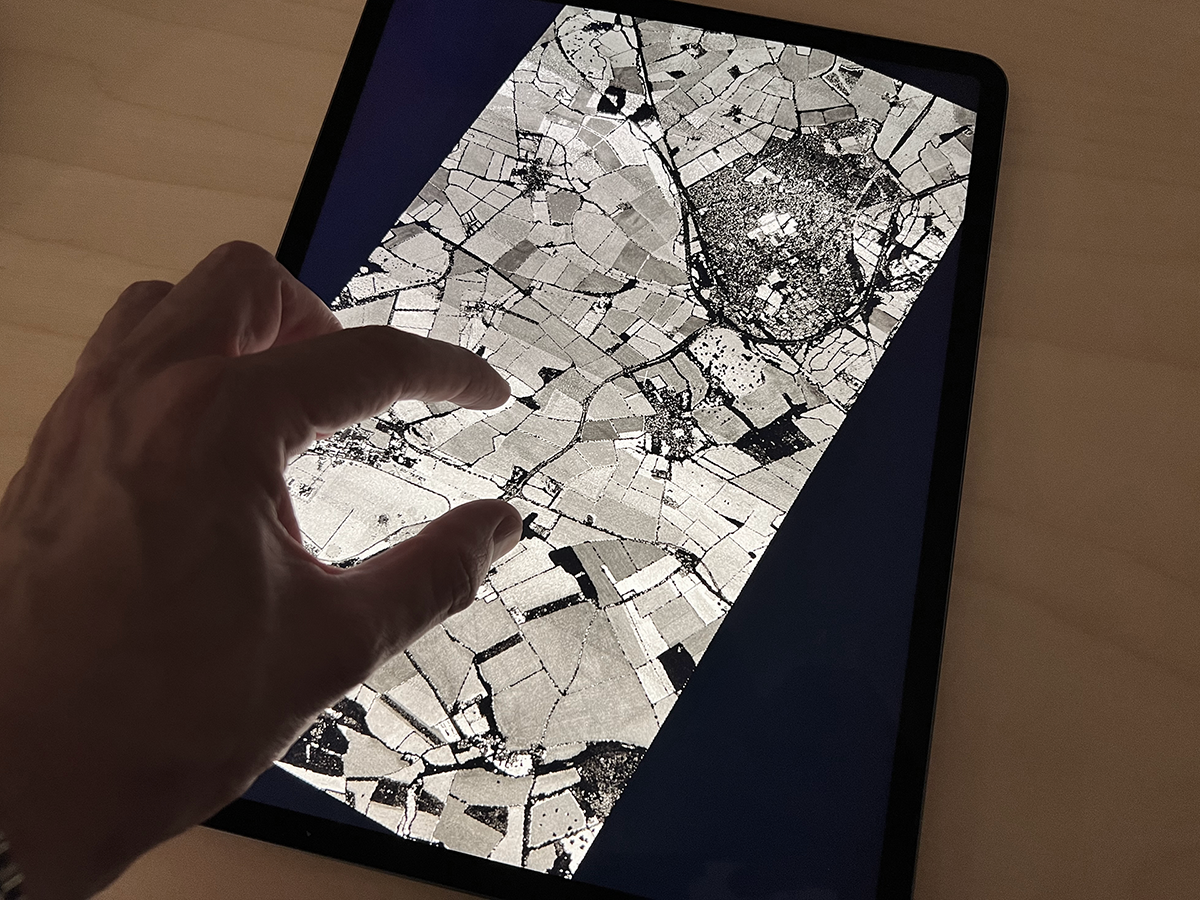
Models of Abandonment is a research framework examining post-industrial infrastructure as designed systems where maintenance withdrawal, financial restructuring, and ecological degradation operate as coordinated processes rather than passive decay. The project developed geospatial analysis methodologies and governance protocols treating abandonment as infrastructural choreography—strategic suspension of care resetting property values, redistributing risk, and reauthorizing ownership through cyclical capital metabolism.

The research integrated remote sensing, BIM forensics, and civic governance simulation to propose Observation Nodes—hybrid civil-civic laboratories pairing engineering diagnostics with accountability frameworks. Each node functions as multi-scalar sensing infrastructure where material stress, financial exposure, and public participation are co-measured, enabling data-driven negotiations around infrastructure reuse and remediation.

Abandonment is not the failure of design; it is its most sophisticated form.

Containment
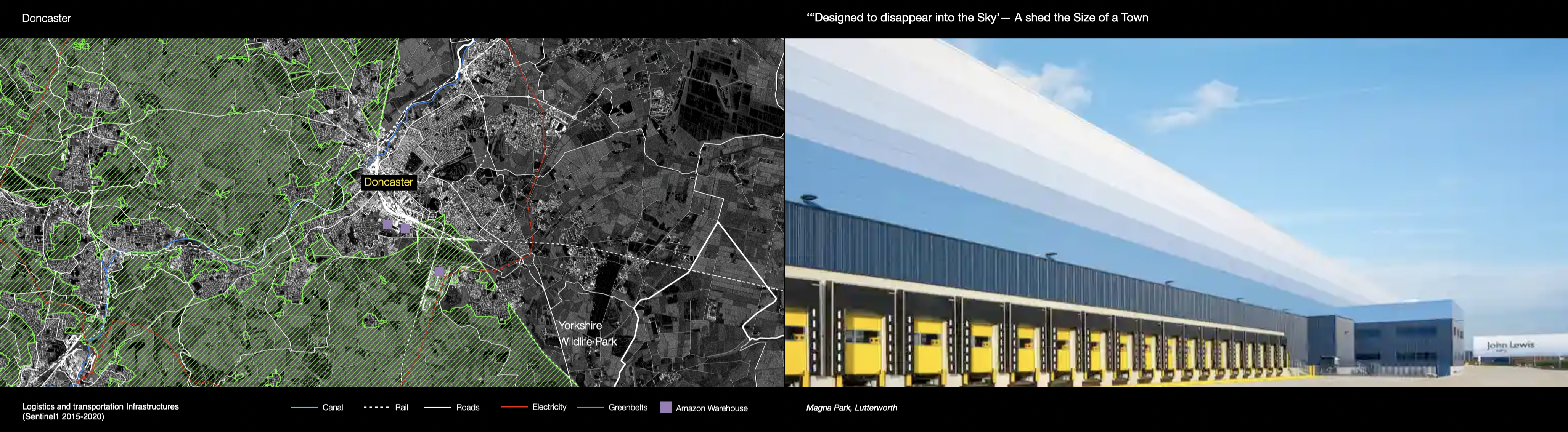
Doncaster
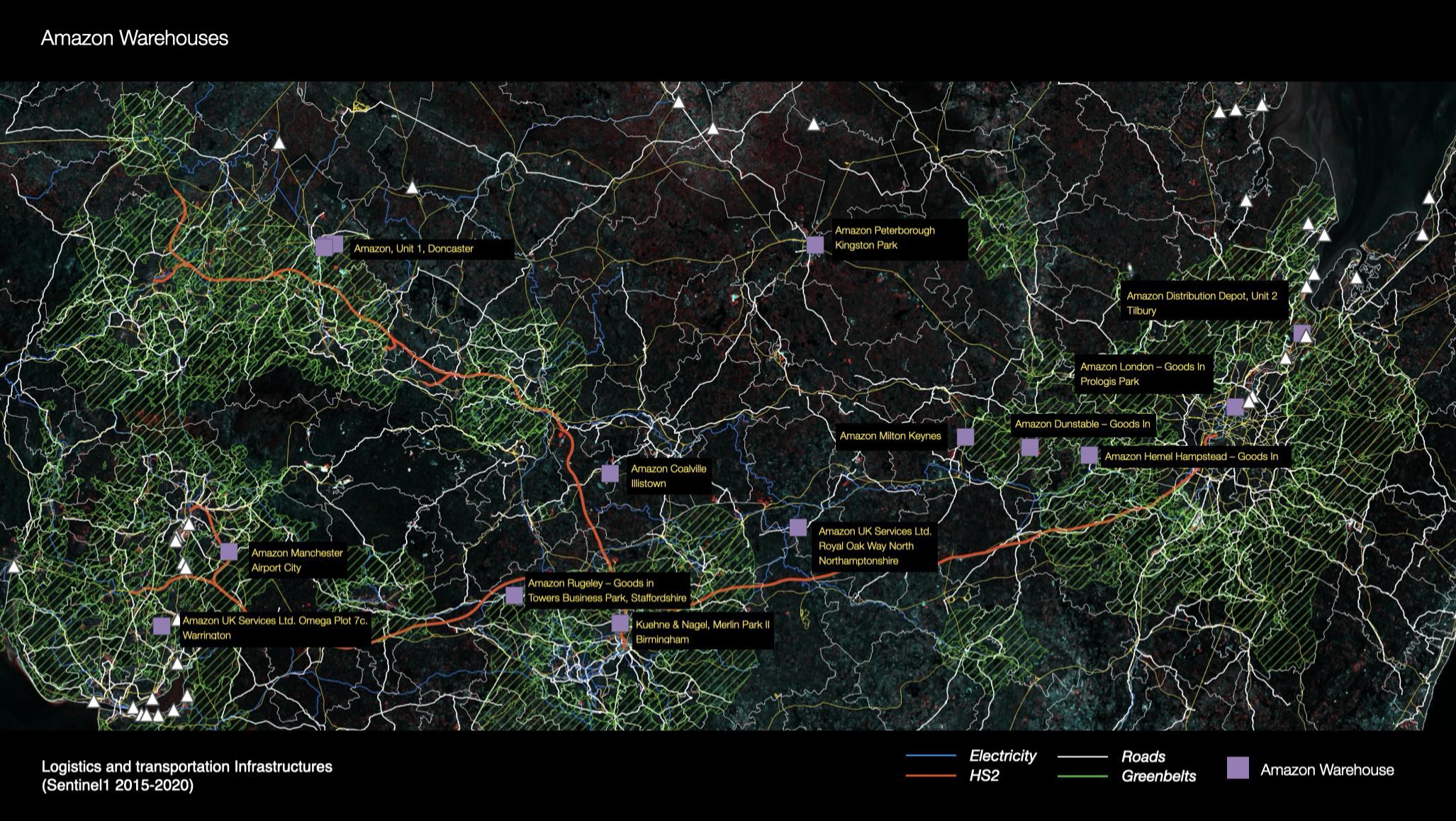
North to South


Problem Space

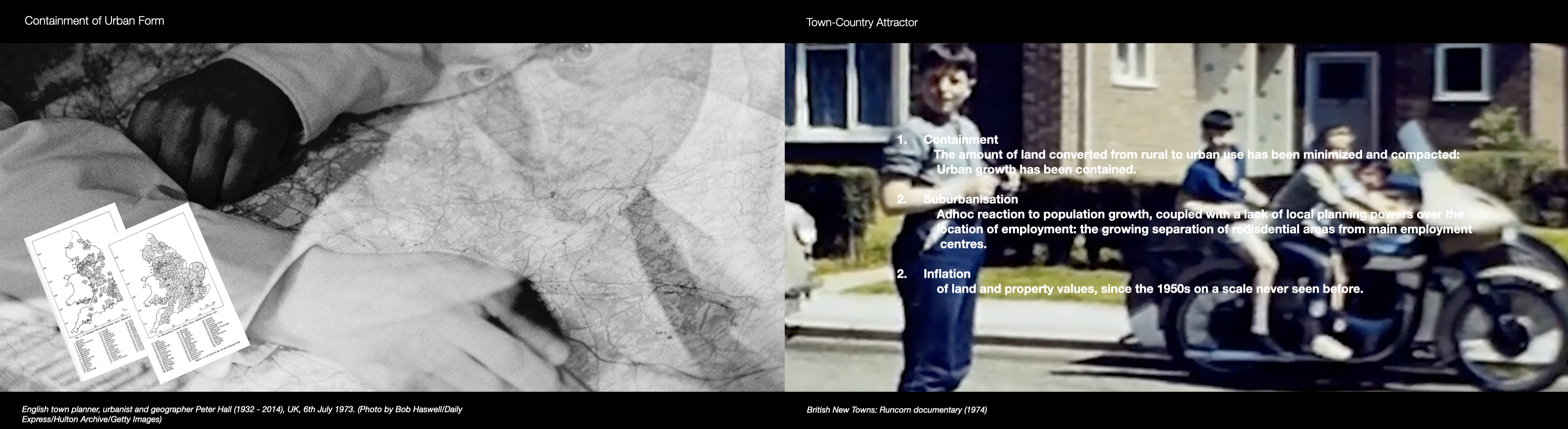
Post-industrial regions exhibit patterns where infrastructure deterioration, property devaluation, and ecological damage occur as coordinated rather than random processes. Existing infrastructure assessment methodologies treat abandonment as technical failure requiring engineering intervention, missing how financial mechanisms (depreciation schedules, deferred maintenance, asset rotation) actively produce decline as prerequisite for redevelopment.

Technical challenge: develop analytical frameworks revealing how logistics, energy, and information infrastructures form scaffolding for spatial governance. This required integrating heterogeneous data sources (geospatial scans, financial records, policy documents, environmental monitoring), modeling feedback loops between material degradation and regulatory responses, and proposing governance mechanisms binding infrastructure performance to civic accountability.

Conventional approaches either focused on engineering diagnostics without examining financial incentives producing neglect, or analyzed economic patterns without quantifying material consequences. The research required coupling civil engineering (material performance, load paths, degradation) with civic engineering (visibility, regulation, public narrative) to reveal abandonment as dual technology.

Building Britain


Technical Architecture

Models of Abandonment proposed Observation Nodes—integrated analysis and governance infrastructure combining remote sensing, simulation, and participatory protocols:

Geospatial scanning and analysis (LiDAR, satellite, UAV photogrammetry, QGIS, ArcGIS):
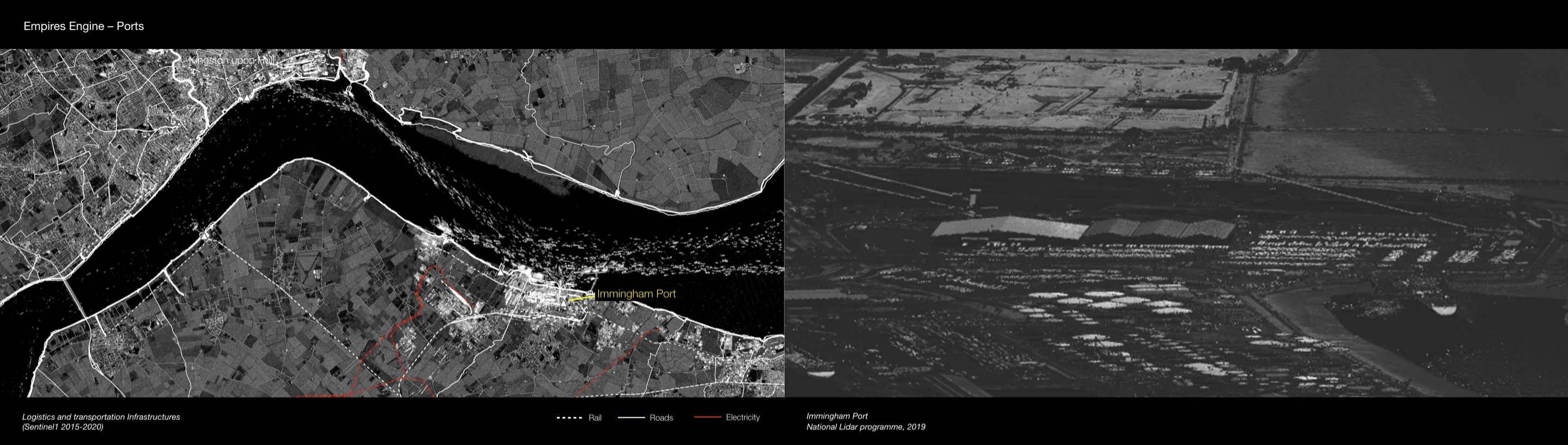
Multi-temporal satellite imagery (Sentinel, Landsat) tracking dormant corridors, freight depots, and industrial sites. LiDAR scanning generating high-resolution elevation models documenting structural degradation. UAV photogrammetry capturing site conditions inaccessible to ground surveys. QGIS and ArcGIS workflows processing point clouds and imagery into queryable spatial databases documenting infrastructure condition over time.

Network and flow analysis (MATLAB, AutoCAD Civil 3D, Python NetworkX):
Graph analysis revealing latent network capacities in underutilized rail corridors, power transmission infrastructure, and logistics networks. NetworkX calculating betweenness centrality identifying strategic intervention points where modest infrastructure investments unlock broader system connectivity. AutoCAD Civil 3D modeling flow dynamics (energy, freight, water) through existing infrastructure under different reactivation scenarios.

BIM forensics and systems modeling (Revit, Python):
Building Information Modeling integration with legacy infrastructure documentation. Combining historical construction records with current sensor data to benchmark systemic fatigue. Python scripts automating extraction of geometric, material, and performance data from BIM models, enabling computational analysis of degradation patterns across infrastructure portfolios.

Resilience and degradation modeling (Python, CloudCompare, MATLAB):
Computational models simulating network degradation under different maintenance scenarios. CloudCompare processing point cloud time-series to quantify structural deformation rates. MATLAB system dynamics models examining feedback loops between deferred maintenance, property values, and regulatory enforcement. Python scripts (NumPy, SciPy) calculating infrastructure resilience metrics under shock scenarios (economic downturns, climate events).

Environmental monitoring integration:
Cross-referencing infrastructure condition data with environmental indicators (PM2.5 particulate matter, chemical oxygen demand in waterways, heavy goods vehicle emissions). Spatial analysis revealing correlations between infrastructure neglect and ecological degradation, enabling quantification of environmental externalities.

ISO 19650-compliant data frameworks:
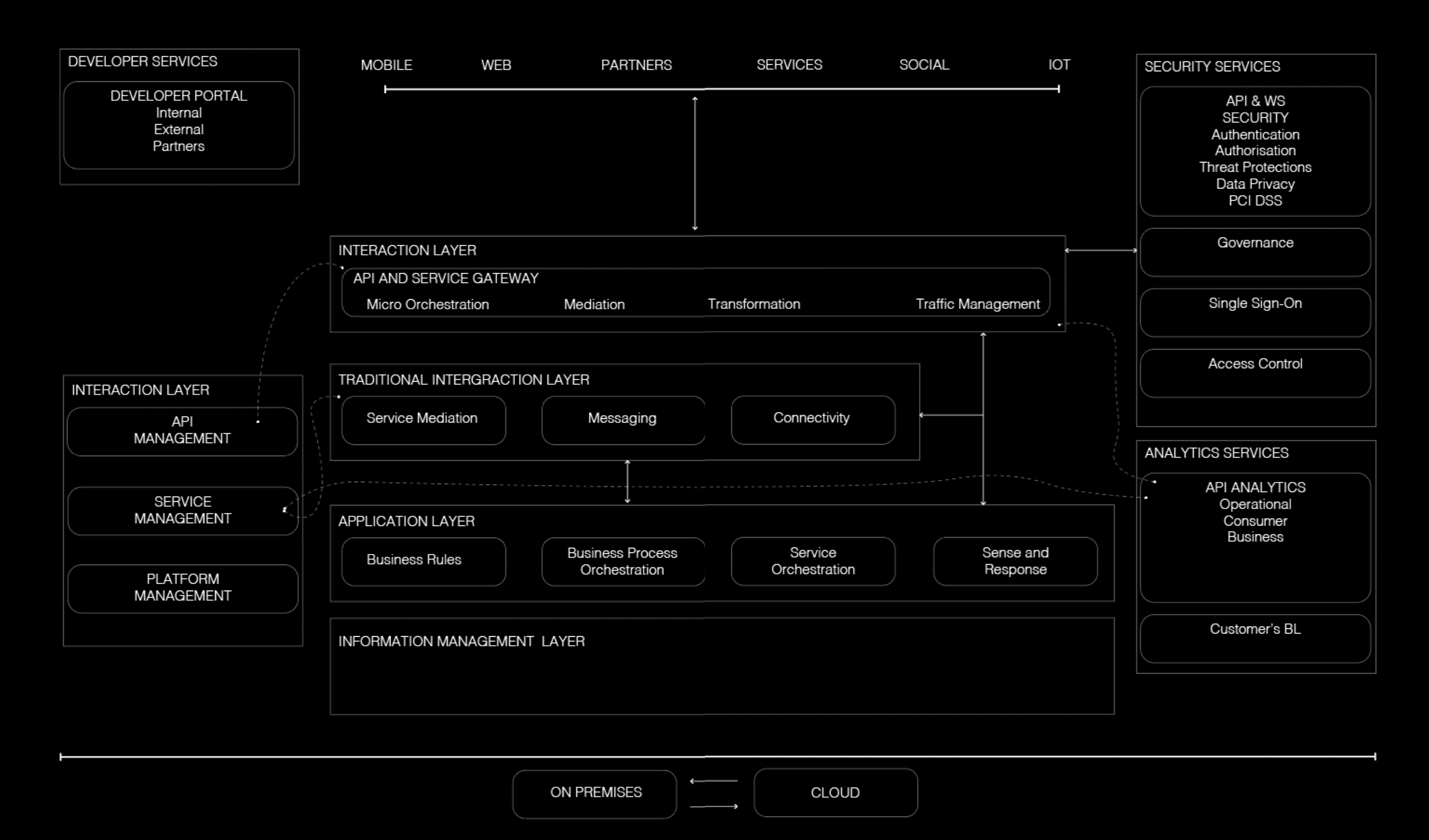
Standardized data exchange protocols enabling integration across engineering datasets, financial records, regulatory databases, and civic monitoring systems. Federated database architecture letting stakeholders maintain data sovereignty while participating in shared analysis.

Governance and civic protocols (proposed frameworks):

  • Performance-Indexed Leases (PILs): Contractual frameworks binding financial obligations to ecological compliance metrics, translating environmental performance into enforceable lease terms
  • Community Equity Tranches (CETs): Mechanisms converting public subsidy into non-dilutable community ownership stakes
  • Open Ledger Covenants (OLCs): Real-time auditable dashboards making infrastructure performance and financial flows publicly accessible
  • Consent Protocols: Structured processes ensuring free, informed, and revocable civic participation in infrastructure decisions
  • Harm/Benefit Ledgers: Accounting frameworks quantifying environmental and social impacts per site, enabling evidence-based compensation and remediation prioritization

Observation

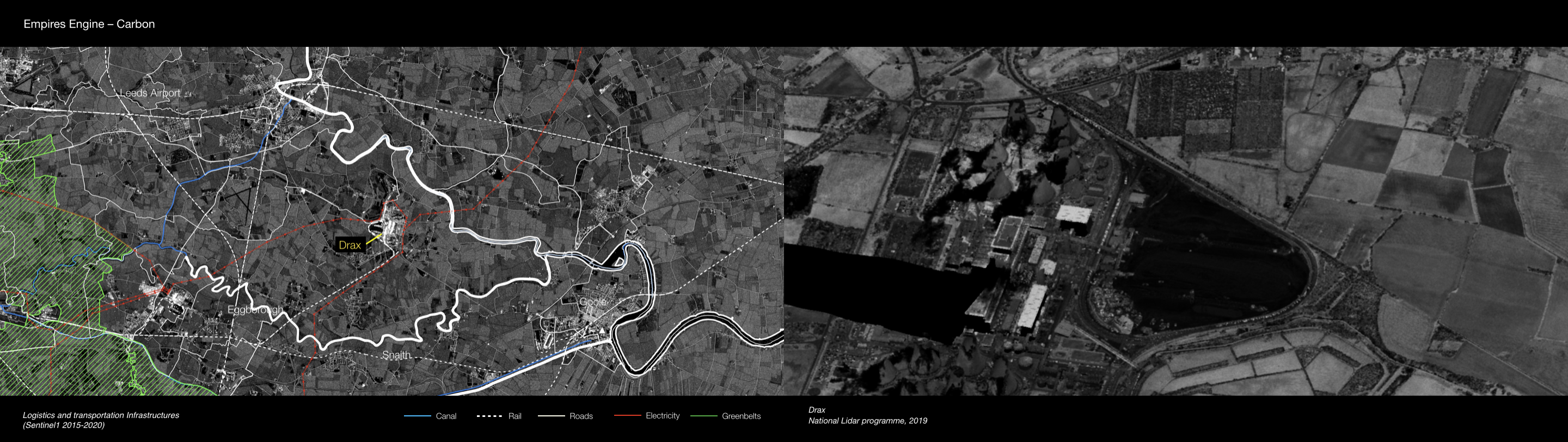
Carbon
Ports
Nuclear


Research Methodology

The project models abandonment as feedback process operating through recursion between data collection, regulatory response, and financial speculation:

Information loop: Sensor data (structural monitoring, environmental telemetry) feeding infrastructure revaluation models. Analysis revealed how improved monitoring paradoxically enables deferred maintenance—better data quantifying degradation rates lets asset owners calculate optimal delay before intervention becomes legally mandatory.

Regulatory loop: Policy frameworks triggering selective compliance enabling repair deferral. Examined how regulatory thresholds (e.g., "structurally deficient" vs. "functionally obsolete" classifications) create incentive structures where owners optimize for categories minimizing legal obligation while maximizing asset optionality.

Financial loop: Credit instruments determining when decay becomes profitable. Analyzed depreciation schedules, insurance mechanisms, and redevelopment financing revealing how infrastructure neglect functions as deliberate strategy resetting property values before capital reinvestment. Abandonment operates as phase in asset lifecycle rather than endpoint.

Sociotechnical loop: Public pressure modulating when regeneration is declared politically necessary. Quantified how civic visibility (media coverage, protests, health data) affects regulatory enforcement timelines and funding allocation.

Computational models demonstrated how these loops interact: improved sensing enables financial optimization of neglect, regulatory gaps create incentive misalignment, civic pressure triggers punctuated interventions rather than continuous maintenance, producing cyclical rather than linear infrastructure trajectories.

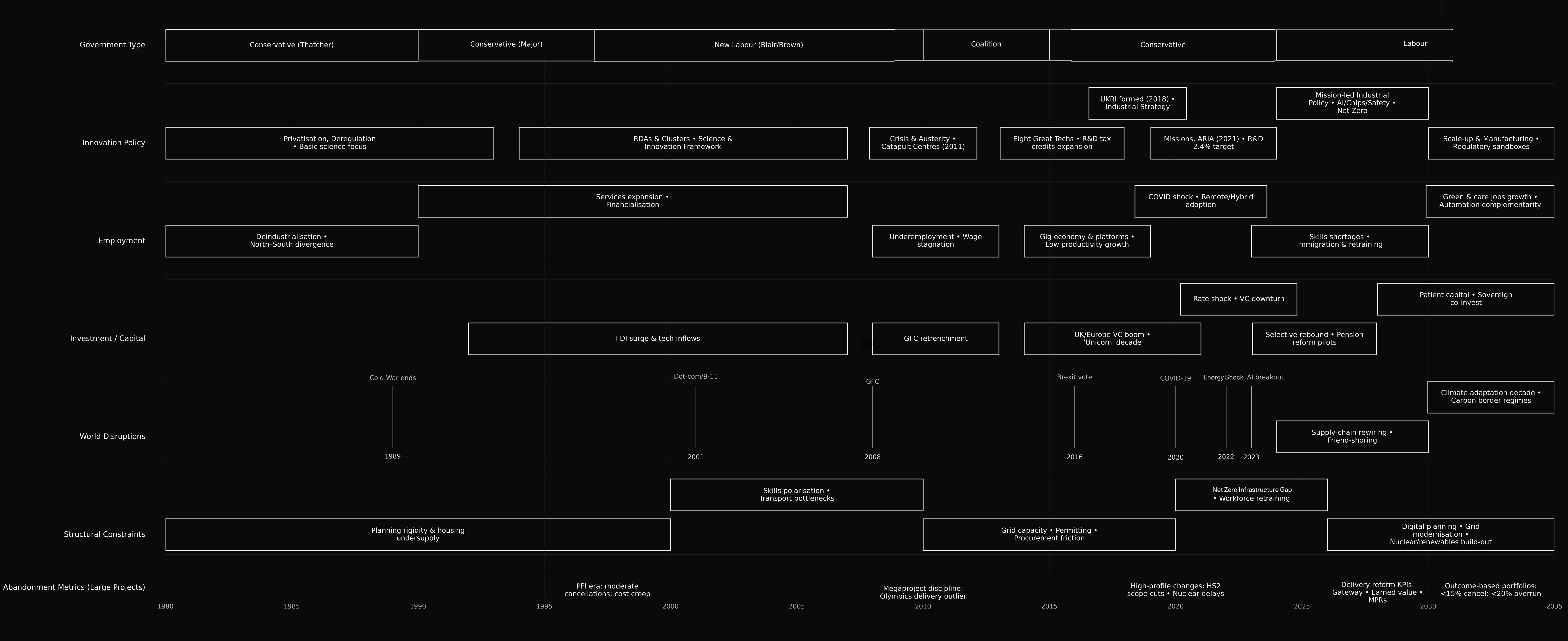
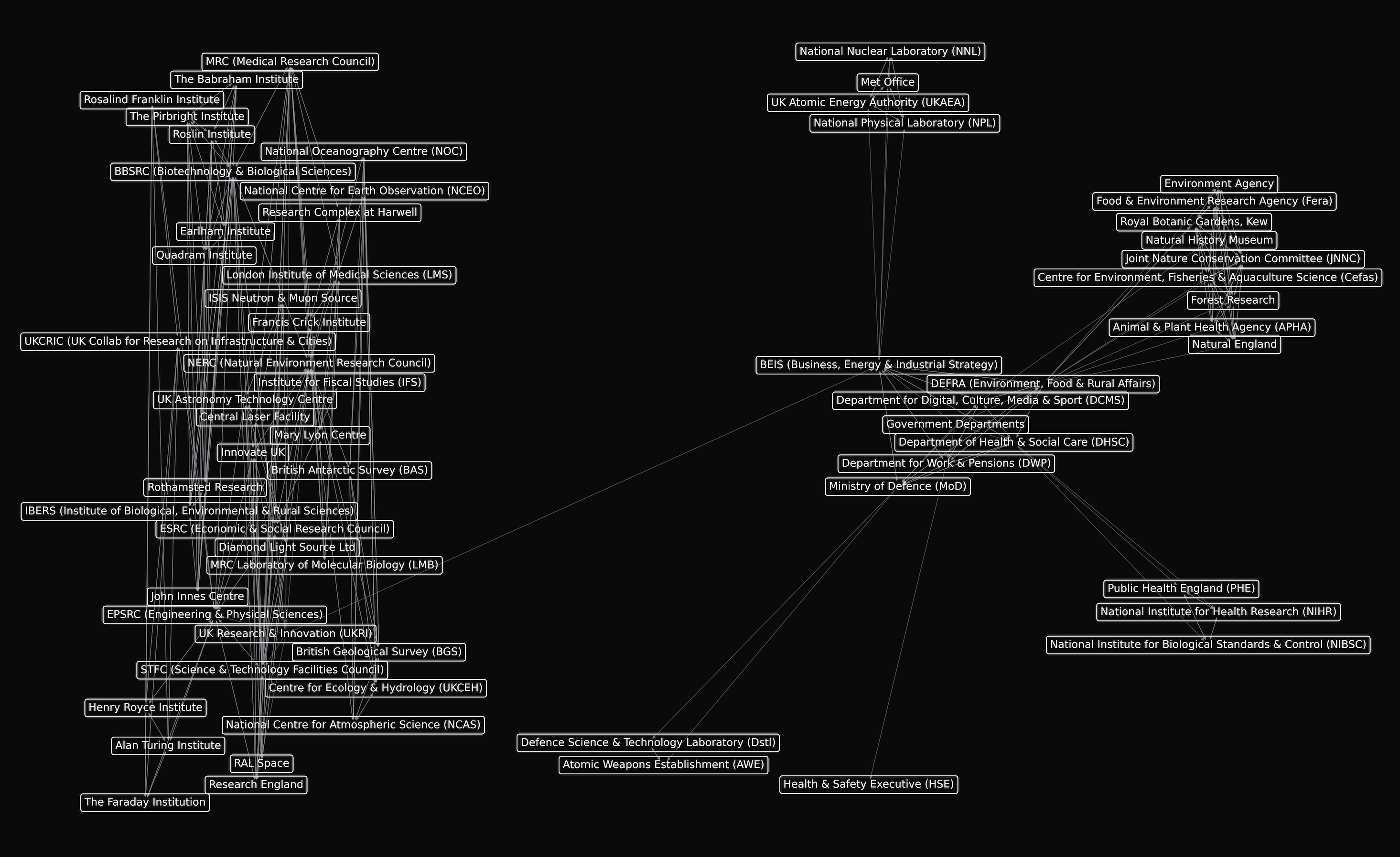
Some models and programmes currently deployed on the UK innovation landscape

Six-phase observation methodology:

  1. Scoping: Corridor selection based on latent public value (connectivity, ecological function, community need)
  2. Signal Harvesting: Data aggregation across civil (sensors, scans) and civic (complaints, violations, health outcomes) sources
  3. Systems Positioning: Network analysis mapping infrastructure dependencies and failure propagation pathways
  4. Risk Calculus: Identifying shock patterns, failure signatures, and cost-shift histories through time-series analysis
  5. Design Synthesis: Stakeholder workshops co-producing reuse scenarios using spatial simulation tools
  6. Commitment Engineering: Translating agreements into enforceable governance instruments (PILs, CETs, OLCs)

Proposed


Research Contributions

Civil-Civic Engineering Framework: Established methodology coupling infrastructure diagnostics with governance design. Demonstrated how technical data systems enable civic accountability rather than replacing it—better engineering models make participation more consequent by revealing trade-offs and quantifying impacts.

Performance-linked governance mechanisms: Proposed contractual and financial frameworks (PILs, CETs, OLCs) binding infrastructure performance to measurable civic outcomes. Showed how environmental indicators can be translated into enforceable lease terms, making ecological compliance financially material rather than regulatory abstraction.

Observation Node prototypes: Developed proof-of-concept multi-scalar sensing infrastructure integrating remote sensing, network analysis, and participatory dashboards. Demonstrated technical feasibility of real-time infrastructure monitoring linked to public accountability systems.

Adversarial simulation protocols: Created modeling approaches detecting regulatory evasion by simulating optimal neglect strategies under different enforcement regimes. Revealed how current frameworks create perverse incentives, informing governance redesign.

Integration methodology: Demonstrated how engineering models (BIM forensics, network analysis), governance frameworks (consent protocols, equity mechanisms), and financial instruments (performance leases) can be integrated into coherent infrastructure regeneration systems converting disuse into measurable ecological and social value.

Presentation


Stakeholder Engagement

Research engaged local authorities (testing planning and remediation policies), manufacturers and distributors (using nodes for predictive logistics optimization), community assemblies and NGOs (validating equity frameworks), financial and insurance bodies (assessing risk mitigation via civic transparency), and engineering consultants (coordinating datasets under ISO 19650 standards).

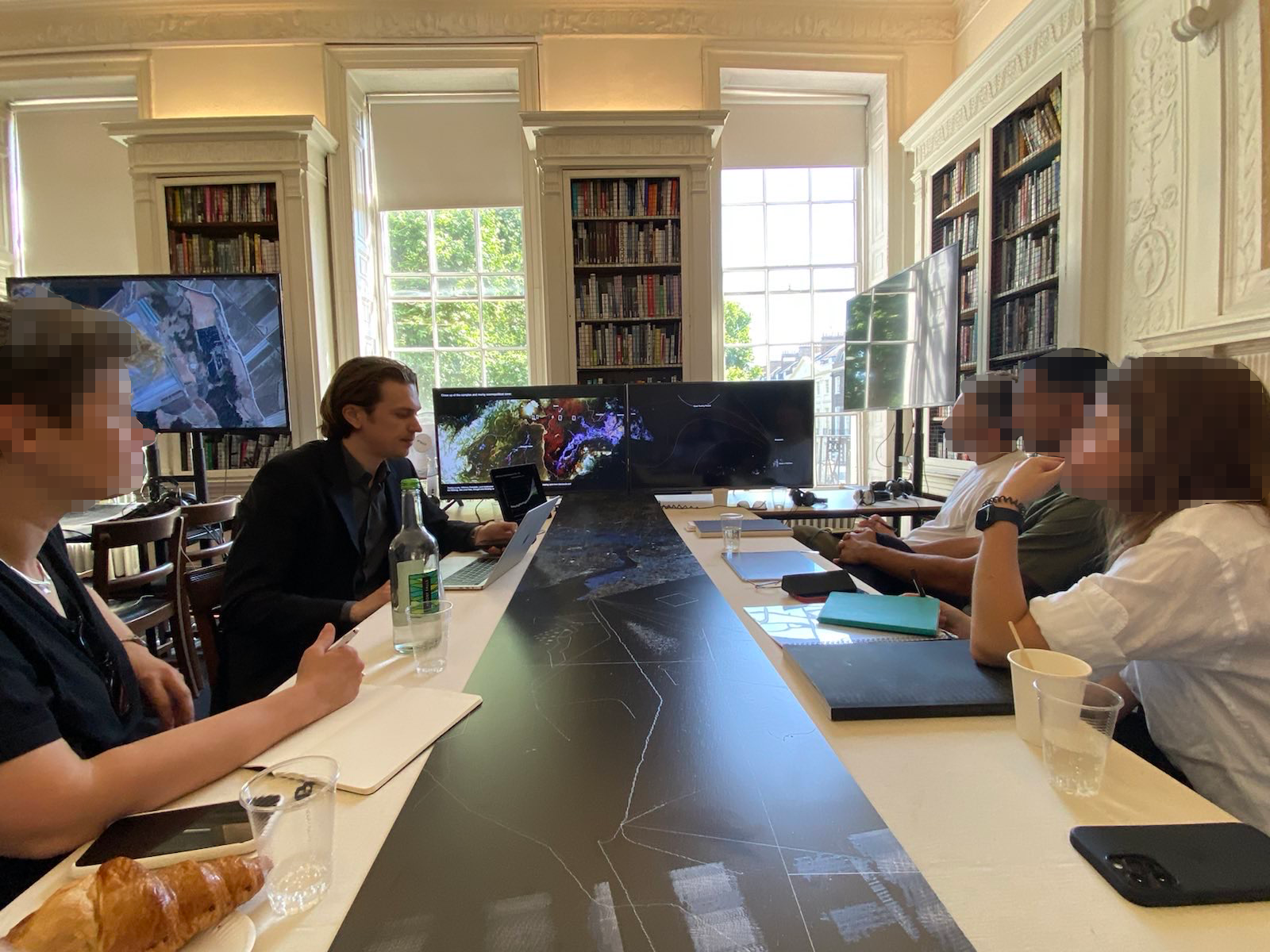
Workshops demonstrated how technical tools make governance negotiations concrete: spatial analysis showing connectivity value of abandoned corridors, BIM forensics quantifying remediation costs, network models revealing systemic vulnerabilities. Data infrastructure enabled previously impossible conversations—stakeholders operating from shared evidence rather than competing claims.

Process revealed productive tensions between civil engineering (optimizing material performance) and civic governance (ensuring equitable distribution of costs/benefits). Framework provided protocols mediating these tensions through transparent data systems and enforceable performance metrics.

stakeholders


Technical Stack

Spatial Analysis: QGIS, ArcGIS, LiDAR scanning, UAV photogrammetry, satellite imagery (Sentinel, Landsat)
Simulation & Modeling: MATLAB (system dynamics), Python (NumPy, SciPy, NetworkX), CloudCompare
Engineering Design: AutoCAD Civil 3D, Revit (BIM), parametric modeling
Data Integration: ISO 19650-compliant frameworks, federated databases, open-data dashboards
Governance Modeling: Performance-lease scripting, community equity frameworks, ESG auditing protocols

In your hands


Design Philosophy

Models of Abandonment reframes infrastructure as living negotiation between technical precision, economic abstraction, and civic ethics. Where traditional engineering optimizes for performance, this framework optimizes for redistribution—ensuring maintenance, reuse, and value recovery operate as transparent, participatory systems.

The research treats abandonment not as absence but as co-production: recursive system where diagnostics, finance, and stewardship converge rebuilding trust, capacity, and ownership. By revealing how neglect functions as designed process rather than failure, the work enables interventions addressing root causes (misaligned incentives, regulatory gaps, information asymmetries) rather than symptoms (deteriorated structures).

Infrastructure becomes medium for renegotiating relationships between material performance, financial obligation, and civic accountability. Design's role shifts from optimizing objects to redesigning the constitutional frameworks governing their lifecycle—from construction through maintenance, abandonment, and regeneration.

Abandonment is not absence—it is co-production: a recursive system in which diagnostics, finance, and stewardship converge to rebuild trust, capacity, and ownership.

View
Sequencing for Picture Book Generation

IRL PLAYground

IRL PLAYground

AI-Enabled Educational Infrastructure for Adaptive Learning

Role: Founder, Systems Architect & Product Design Lead
Type: Cyber-Physical Education Platform
Stack: TypeScript, React, Node.js, Python, TensorFlow Lite, CLIP, GraphQL, PostgreSQL
Deployment: UK, Southeast Asia (Hong Kong Toy Fair 2025)


IRL PLAYground is a cyber-physical education platform that integrates classroom software, physical toys, and AI into a single adaptive infrastructure. Physical objects function as data interfaces, classrooms operate as learning networks, and machine learning coordinates complexity across distributed stakeholders—enabling real-time pedagogical adaptation at institutional scale.

The system treats toys as networked sensors embedded with educational metadata. Each object undergoes photogrammetric capture to create 3D models linked to pedagogical context, supply chain provenance, and usage patterns. Teachers interact with AI-assisted interfaces that learn from correction rather than requiring retraining by specialists. Schools maintain data sovereignty while participating in aggregated learning networks.

Physical materials and digital intelligence as parts of the same adaptive feedback system.

IRL PLAYground launch video


Problem Space

Educational technology and physical learning materials operate as disconnected supply chains with incompatible data systems. Software platforms ignore material affordances, toy manufacturers lack pedagogical feedback loops, and teachers spend 40%+ of time on administrative coordination rather than instruction.

Existing "smart toy" approaches either reduce physical objects to IoT accessories for predetermined software experiences, or add sensors without pedagogical frameworks. Neither approach treats the physical-digital interface as infrastructure for adaptive learning where materials, software, and human judgment evolve together.

The technical challenge: build a platform supporting real-time multi-stakeholder coordination (teachers, students, distributors, manufacturers, administrators) while maintaining pedagogical flexibility, data sovereignty, and ethical AI governance at institutional scale.
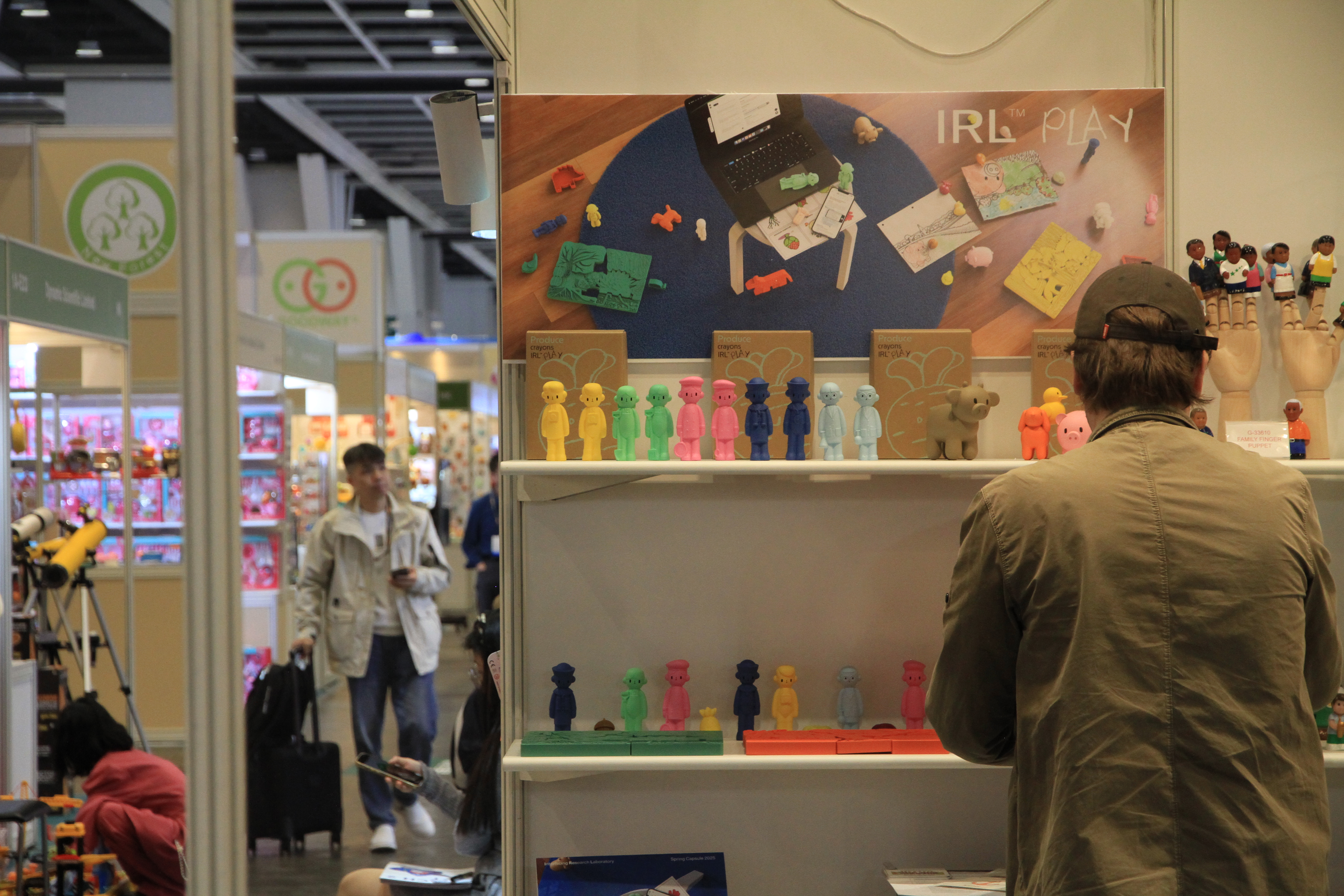
Exhibiting at HK Toy Fair 2025


Technical Architecture

IRL PLAYground implements a modular platform integrating adaptive learning software, object intelligence pipelines, and institutional data infrastructure:

Application layer (TypeScript, React):
Web-based interfaces for classroom management, content generation, and AI model supervision. Teachers correct system outputs through inline editing—corrections automatically retrain local models without requiring data science expertise. Real-time collaboration enables synchronous lesson planning and resource coordination across distributed teaching teams.

API & orchestration (Node.js, Python/FastAPI):
RESTful and GraphQL endpoints coordinate between frontend applications, AI services, photogrammetry pipelines, and institutional systems. Event-driven architecture enables asynchronous processing of computationally expensive tasks (3D reconstruction, embedding generation) while maintaining responsive user experience.

AI infrastructure (TensorFlow Lite, CLIP, fine-tuned GPT):
Edge-deployable models for real-time object recognition and content generation. CLIP-based visual similarity enables toy identification from classroom photos. Fine-tuned language models generate age-appropriate educational content. Crucially, all models support teacher-led retraining—educators mark incorrect outputs, system automatically adjusts without centralized updates. This architecture enables pedagogical customization while preserving privacy (training data never leaves institutional boundaries).

3D capture pipeline (RealityCapture, Agisoft Metashape, OpenMVG):
Photogrammetry workflow converts physical toys into queryable 3D assets with embedded metadata. Raspberry Pi camera arrays and structured light sensors enable classroom-scale scanning without specialized equipment. Automated processing pipeline handles image alignment, mesh generation, texture mapping, and metadata injection. Output: standardized 3D models linked to pedagogical taxonomies, material specifications, and supply chain provenance.

Data architecture (PostgreSQL, GraphQL schema):
Relational database with spatial extensions stores object geometries, usage patterns, pedagogical outcomes, and institutional metadata. GraphQL schema enforces typed relationships between physical materials, learning objectives, student cohorts, and curricular frameworks. Schema design enables federated queries across school information systems (SIS), distributor inventories, and manufacturing databases while preserving data ownership boundaries.

Hardware integration:
Interactive touch grids, sensor arrays, and camera systems transform physical play into structured data streams. Computer vision pipelines detect toy configurations, track interaction patterns, and generate usage metrics that inform both pedagogical dashboards and supply chain optimization.

Governance & observability:
Role-based access control (RBAC) with fine-grained permissions (teacher/admin/distributor/manufacturer roles). Complete audit trails for data access, model training events, and system modifications. Data visibility frameworks let institutions configure what information feeds AI training versus what remains strictly local. Structured logging and performance monitoring ensure system transparency and regulatory compliance.
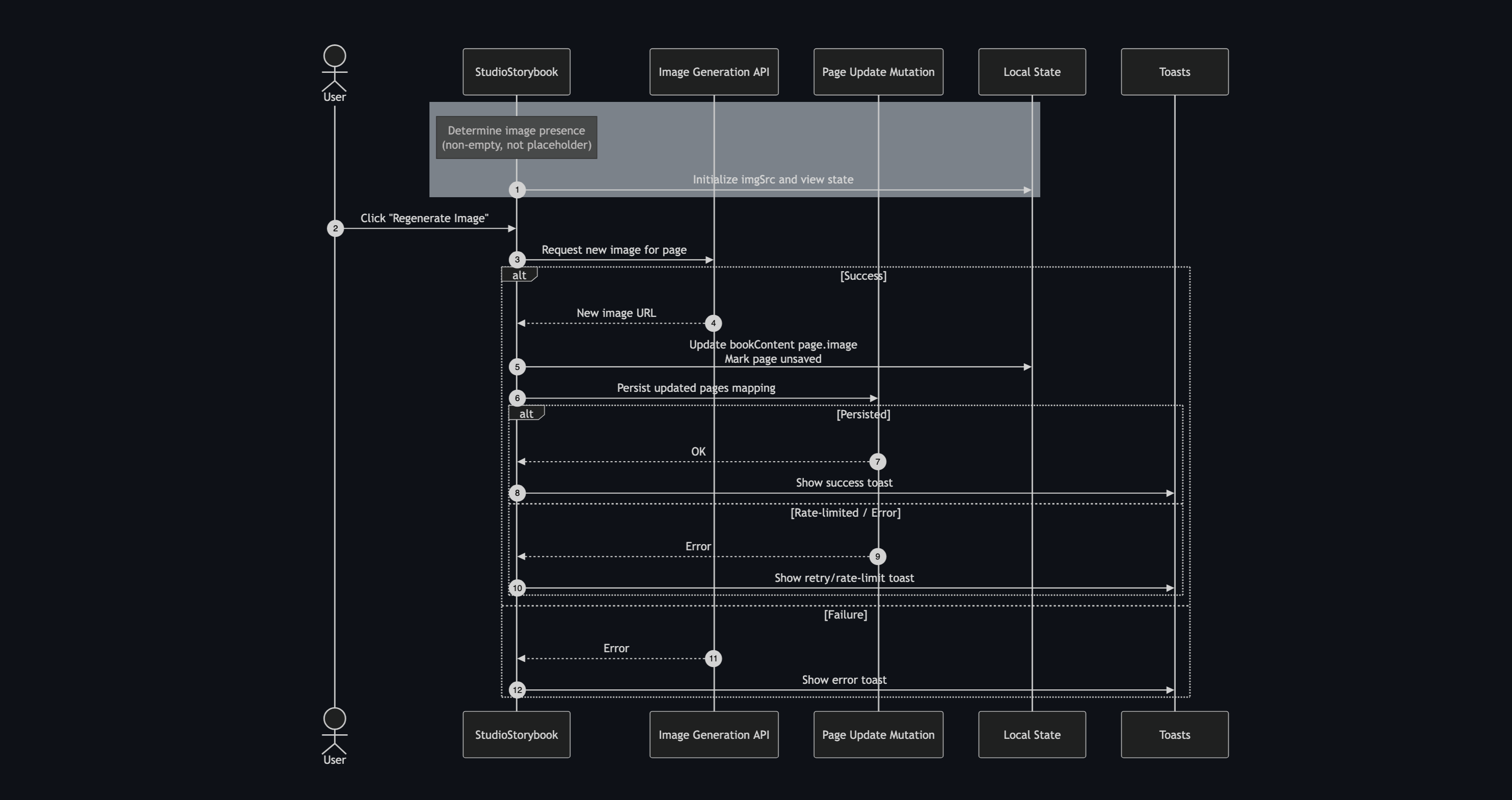
Sequencing for Picture Book Generation


Complexity as Infrastructure

The system sustains educational and manufacturing complexity rather than reducing it, implementing distributed feedback loops that connect human judgment, material affordances, and computational intelligence:

Adaptive learning loop: AI identifies knowledge gaps and proposes interventions based on usage patterns. Teachers accept, modify, or reject suggestions—each decision retrains local models. Intelligence emerges from contextualized practice rather than universal templates. No standardization enforced; system learns what works in specific institutional contexts.

Ethical governance loop: Educators train small, interpretable models aligned with local values and regulatory frameworks. Transparency built into data pipeline: teachers see what data trains models, students/parents control participation, administrators audit system decisions. Consent and data sovereignty are architectural requirements, not compliance additions.

Material intelligence loop: Physical toys become data nodes through photogrammetric capture. Each object embeds metadata defining pedagogical purpose (which learning objectives it supports), ecological origin (material composition, sourcing), and supply chain story (manufacturing location, distribution path). Creates living archive where material design directly informs pedagogical outcomes and vice versa.

Institutional coordination loop: Open APIs connect classrooms, factories, distributors, and education authorities into traceable networks. Enables circular supply chains (usage data informs manufacturing), evidence-based policy (aggregated anonymized patterns inform curricular decisions), and distributed innovation (schools share pedagogical strategies without centralizing control).

Each loop informs others: teacher corrections improve AI recommendations, improved recommendations reduce administrative overhead, reduced overhead enables more pedagogical experimentation, experimentation generates training data, training data improves manufacturer product-market fit, better products enable new pedagogical approaches.


Impact

Operational efficiency: 40% reduction in teacher administrative overhead across pilot schools (London, Hong Kong). Time savings redistributed to direct instruction and individualized student support. Automated resource coordination, attendance tracking, and progress reporting without sacrificing pedagogical flexibility.

AI interoperability: Demonstrated end-to-end integration across software (React/Node.js), hardware (Raspberry Pi sensors), and 3D capture (photogrammetry). Validated that physical object intelligence can inform digital learning systems at scale—first platform to close the loop between material design and adaptive pedagogy.

Cross-sector coordination: Engaged 15+ manufacturers, 8 educational institutions, and 5 distribution networks across UK and Southeast Asia through PLAYground Partner Programme. Co-developed ethical supply chain protocols ensuring material traceability, fair labor practices, and environmental standards. Proved that educational infrastructure can coordinate manufacturing without centralizing production.

Teacher-led AI governance: Established frameworks for educational AI including teacher-controlled retraining (educators correct AI outputs through normal use), data sovereignty provisions (schools own their training data), and interpretable model architectures (decisions can be explained in pedagogical terms). Demonstrated that adaptive systems can operate transparently at institutional scale without centralizing algorithmic control.

Real-time pedagogical adaptation: Built feedback mechanisms enabling classrooms to function as learning networks where teaching strategies, material resources, and AI capabilities evolve together. Reduced lag between pedagogical innovation and system capability from months (typical EdTech update cycles) to hours (teacher corrections immediately improve local models).

Circular material flows: 3D capture pipeline enabled 60% reduction in physical inventory requirements. Distributors use digital twins for catalog visualization, schools print-on-demand for specialized needs, manufacturers adjust production based on real usage patterns rather than projected demand.

Catalogue, Pamphlet, and Generated Flash Cards


Product Modules

Each module operates as both physical toy and data node—scanned, digitized, networked into living archive of learning objects:

KIN: Modular structures teaching systems thinking and algorithmic reasoning through physical assembly. Demonstrates constraint-based design: limited components, infinite configurations. Photogrammetry captures each configuration, AI suggests variations based on learning objectives. Teachers use generated alternatives to scaffold problem-solving progressively.
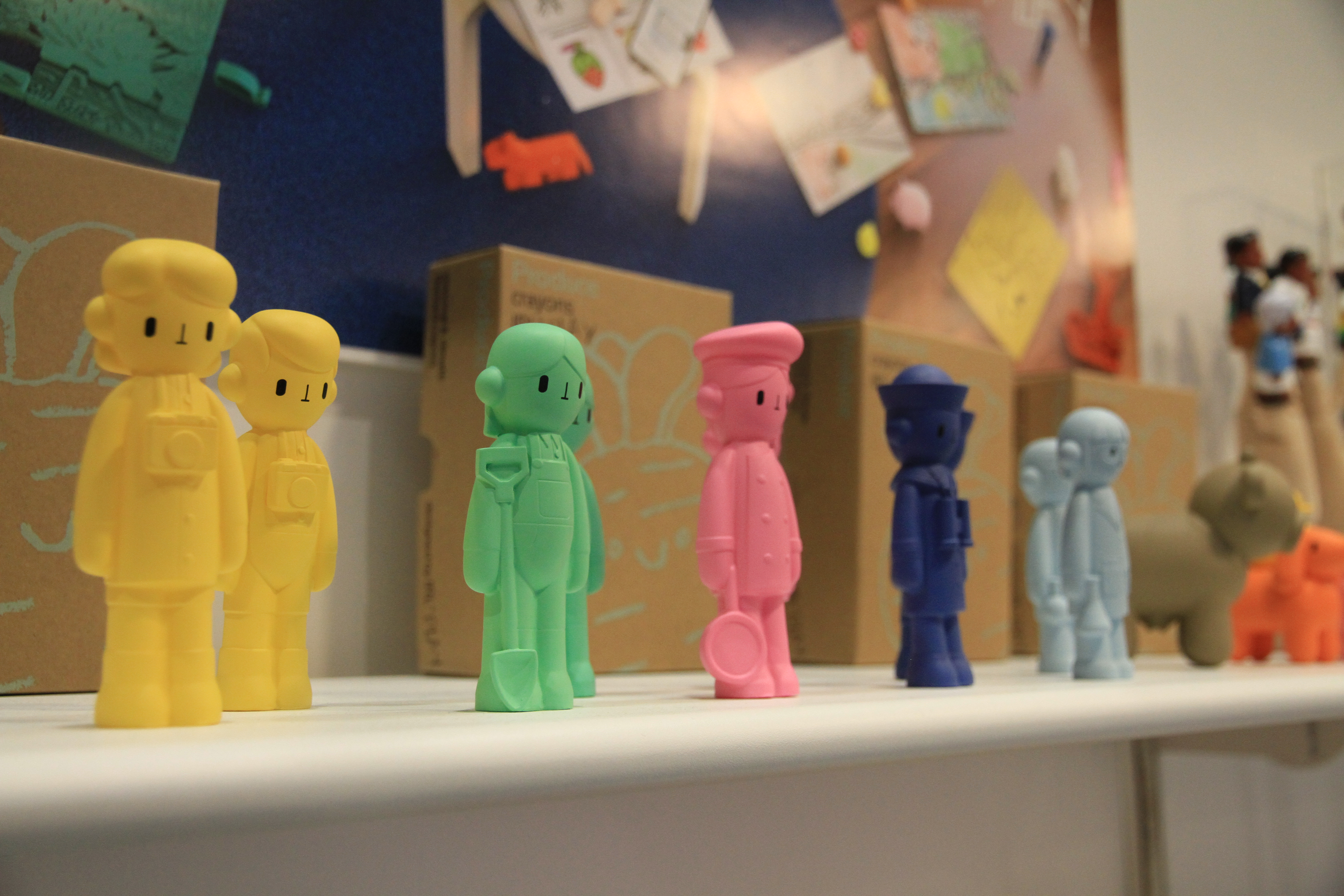
Kin

Pieces: Abstract character sets for AI-assisted storytelling. Deliberately non-representational—expands imaginative range beyond conventional animal/human figures. CLIP embeddings enable semantic search across narrative themes. Students construct stories, AI suggests complementary pieces, teachers curate story libraries that become training data for future recommendations.

Pieces

Our Home: Spatial puzzle system integrating environmental design with first-principles ecological thinking. Physical pieces represent biomes, resources, infrastructure. Students construct functioning ecosystems under constraints (water availability, temperature ranges, species interdependencies). AI tracks configurations, identifies unsustainable patterns, proposes interventions—teaching systems thinking through embodied problem-solving.


Our Home
Hedgerow
Desert

Produce Crayons: Waste material transformation into creative tools. Demonstrates circular design principles through direct material experience. Supply chain metadata embedded in each crayon: waste source, processing method, material composition. Students learn ecological cycles not as abstract concepts but as tangible material flows they manipulate directly.

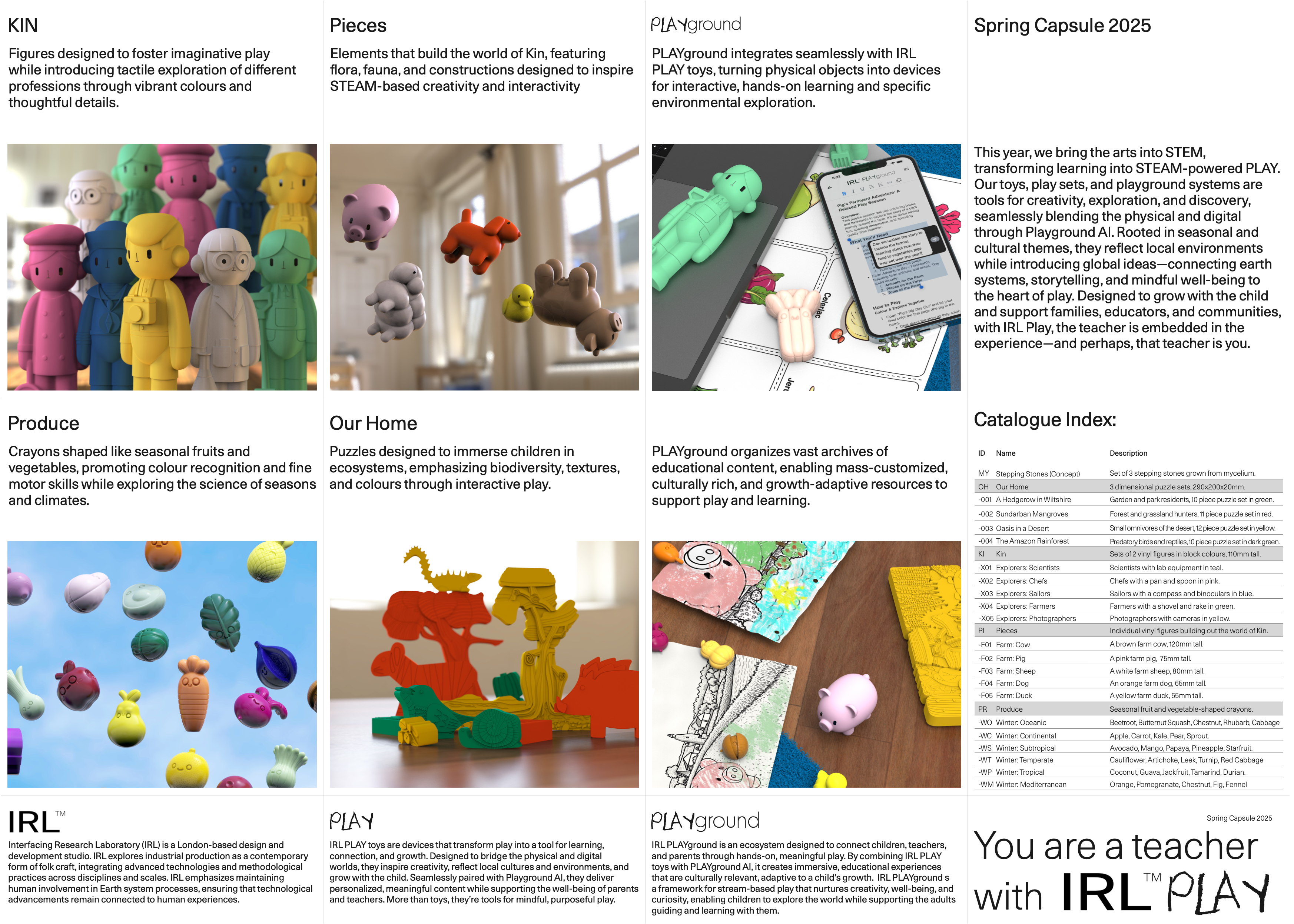
Crayons

IRL PLAYground Spring Capsule 2025


Team & Process

Founded and led interdisciplinary teams spanning software engineering, industrial design, pedagogy, and supply chain coordination. Managed partnerships with 8 schools (London, Hong Kong, Singapore), 15+ toy manufacturers, and 5 distribution networks.

Core technical team: 3 full-stack engineers (TypeScript/React/Node.js), 2 ML engineers (TensorFlow/PyTorch), 1 computer vision specialist (photogrammetry pipeline), 2 hardware engineers (sensor integration). Design team: 3 industrial designers, 2 UX designers. Pedagogy team: 4 curriculum specialists, ongoing teacher advisory board.

Process required building shared language across domains: designers learned data pipeline constraints, engineers understood pedagogical theory, teachers trained AI models, distributors integrated manufacturing metadata. Success depended on modular interfaces letting each stakeholder contribute expertise without requiring full-stack knowledge.

Pilot deployments shaped priorities: teachers valued AI that complemented judgment rather than replacing it, students needed toys functioning both physically and digitally (not IoT accessories), administrators required reduced coordination overhead (not additional dashboards), manufacturers needed usage feedback (not just sales projections).


Technical Stack

Frontend: TypeScript, React 19, Tailwind CSS
Backend: Node.js, Python (FastAPI), RESTful + GraphQL APIs
Database: PostgreSQL with spatial extensions, vector storage
AI/ML: TensorFlow Lite (edge inference), fine-tuned GPT APIs, CLIP embeddings
3D Pipeline: RealityCapture, Agisoft Metashape, OpenMVG, photogrammetry automation
Hardware: Raspberry Pi camera arrays, structured light sensors, interactive touch grids
Integration: SIS connectors, distributor APIs, manufacturing data exchanges
Infrastructure: Kubernetes deployment, event-driven microservices
Observability: Structured logging, performance monitoring, audit trails


Design Philosophy

IRL PLAYground treats education and play as infrastructure problems where care, data, and design co-produce intelligence. The platform demonstrates how AI can function as civic infrastructure: learning from social and ecological patterns rather than imposing external optimization.

Learning environments operate as adaptive systems where pedagogical strategies, physical materials, and computational intelligence evolve together through continuous feedback. Intelligence emerges from interplay between human judgment, material affordances, and algorithmic assistance—not centralized control.

Each classroom, toy, and networked interaction contributes to distributed learning systems where educational practice, manufacturing data, and institutional governance inform one another. The architecture enables communities to learn how to care rather than systems that manage behavior.

Physical materials carry pedagogical meaning through embedded metadata. Digital intelligence surfaces connections and possibilities without prescribing outcomes. Human judgment determines what matters, what to pursue, what to ignore. The platform coordinates complexity without reducing it—sustaining the irreducible interplay between care, cognition, and materiality that defines learning.

Intelligence should not manage the world. It should help the world learn how to care.
View
Non-conformity

Mycellium for Toy Production

Bio Toys

Mycelium Composite Development for Circular Play Systems

Role: Materials Research and Product Development Lead
Type: Applied Biofabrication Research and Product Engineering
Stack: Compression molding, EN 71 safety testing, biological growth protocols
Partners: Magical Mycelium Company


Bio Toys is a materials research program developing mycelium-grown composites for toy and playground manufacturing. The project integrated biological cultivation protocols, mechanical testing, and safety certification workflows to demonstrate how fungal networks can produce compliant children's products meeting European safety standards (EN 71-1:2014+A1:2018, EN 71-2:2020) while enabling circular material lifecycles through composting and regeneration.

Working with Magical Mycelium Company, the research established controlled mycelium growth parameters (humidity, temperature, substrate composition), compression molding processes for playground-scale components, and longitudinal durability testing protocols tracking material performance through use and decomposition cycles. The work positions biofabrication not as speculative design but as industrial infrastructure requiring rigorous testing, safety validation, and manufacturing process development.

Growth, decay, and reuse are not side effects of design—they are its grammar.

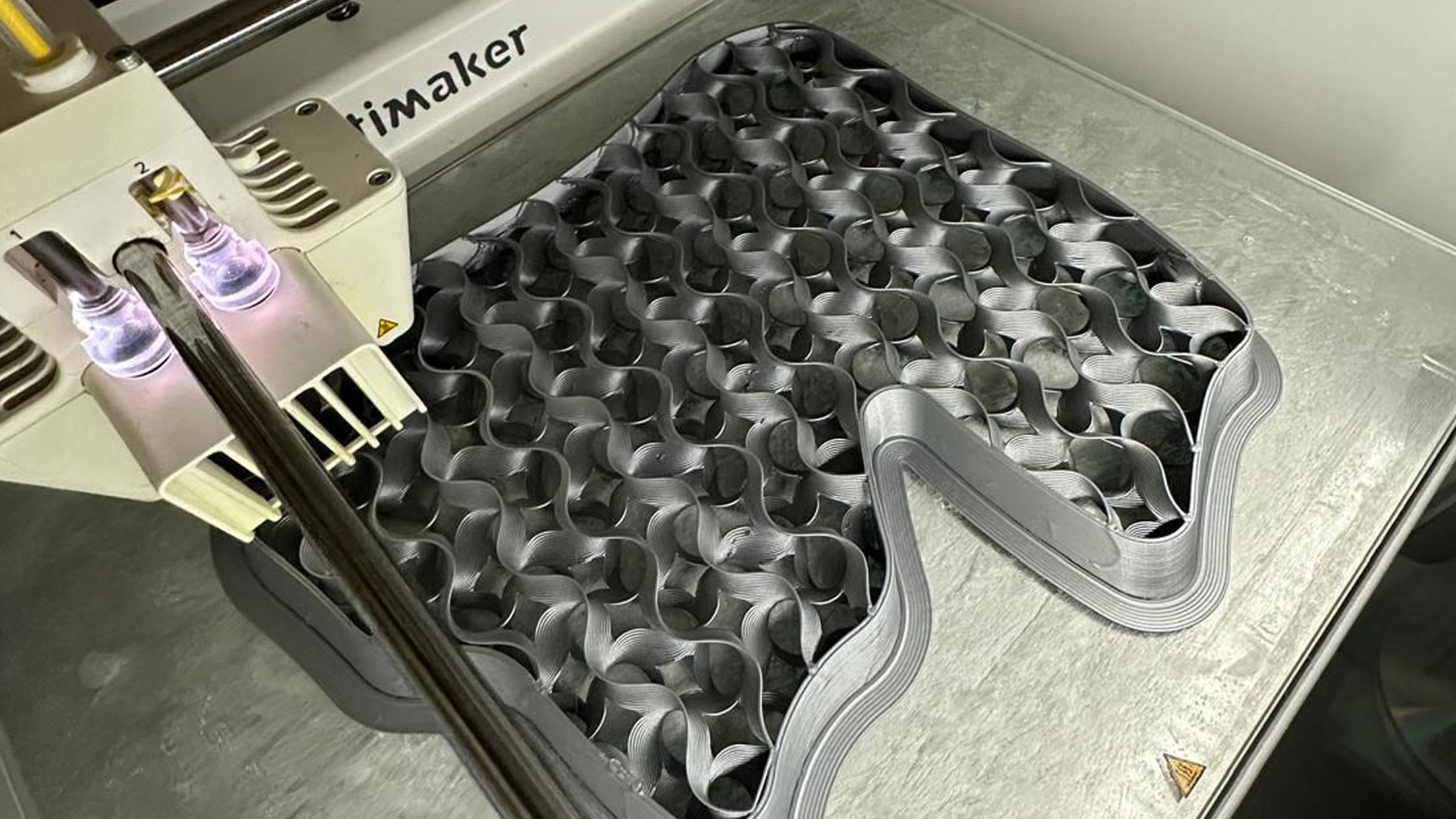
3D Printing the positive for vacuum forming


Problem Space

Plastic dominates toy manufacturing due to technical advantages (moldability, durability, cost) and established supply chains, but creates long-term environmental liabilities through persistence and microplastic generation. Biodegradable alternatives typically sacrifice performance, fail safety standards, or require industrial composting infrastructure unavailable in most markets.

Technical challenge: develop mycelium-based materials matching plastic's functional performance (structural integrity, surface finish, safety compliance) while enabling end-of-life composting in standard conditions. This required optimizing biological growth processes for consistent material properties, developing manufacturing workflows compatible with existing tooling, achieving certification under children's product safety standards, and validating decomposition pathways ensuring safe environmental return.

Existing biofabrication research often prioritized novelty over practical manufacturing constraints. The project needed to bridge laboratory-scale cultivation with production-ready processes, demonstrate regulatory compliance rather than conceptual possibility, and establish cost structures enabling market viability.

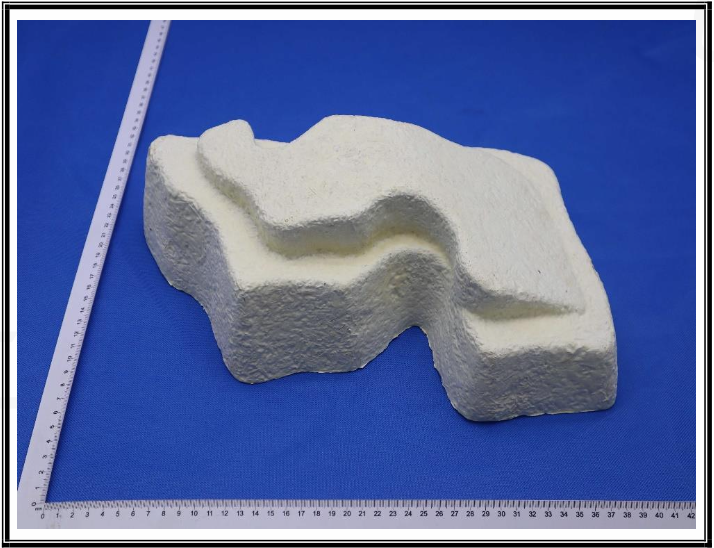
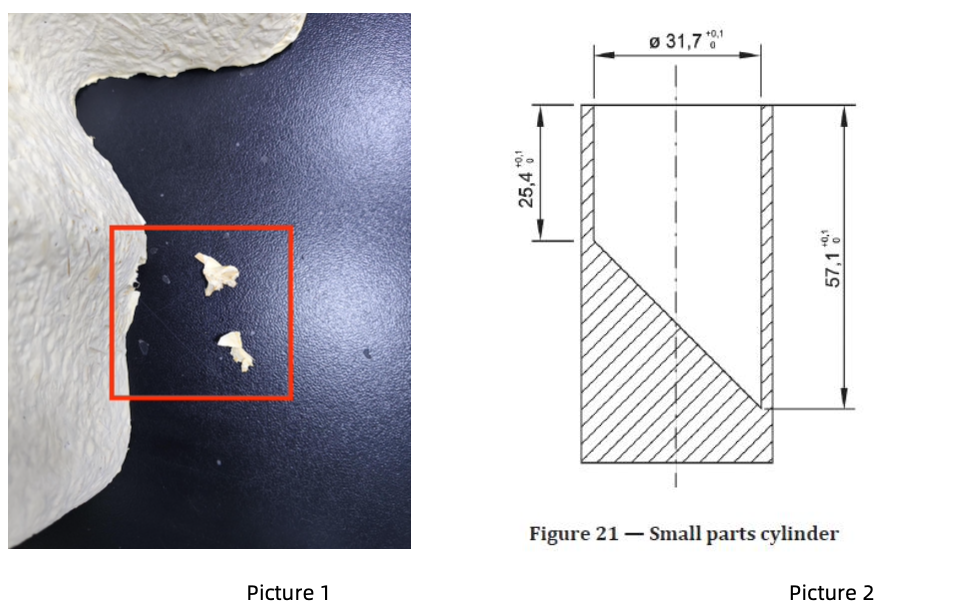
Sample from CTT Lab Tests


Technical Development

Bio Toys implemented structured materials research integrating biological cultivation, mechanical engineering, and safety validation:

Mycelium cultivation protocols:
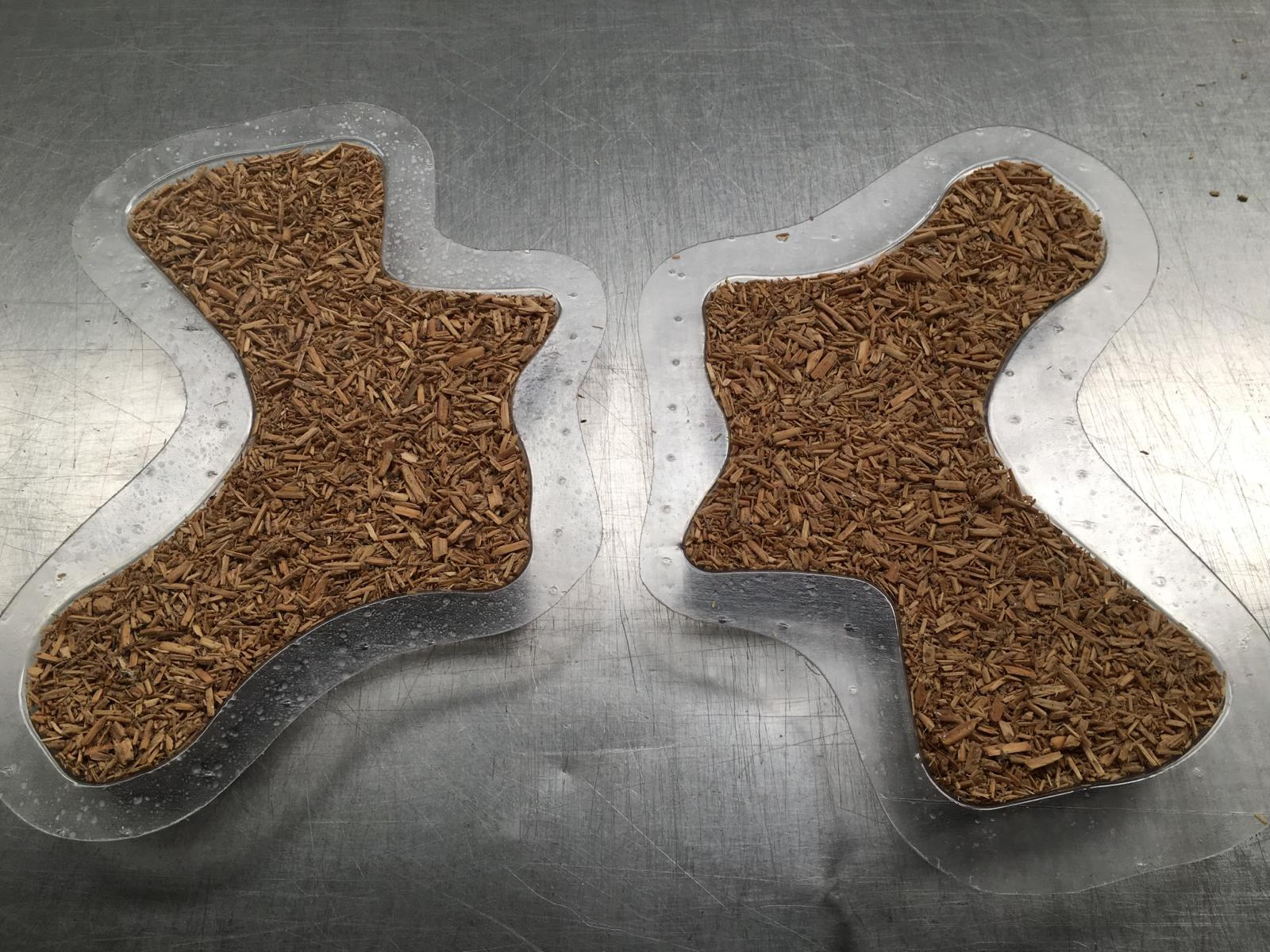
Controlled growth under variable environmental conditions (humidity 60-80%, temperature 20-28°C) to evaluate density, elasticity, and structural uniformity. Substrate composition experiments (agricultural waste, wood chips, hemp fiber) testing how feedstock affects material properties. Growth chamber monitoring (temperature/humidity sensors, time-lapse documentation) tracking mycelium colonization rates and ensuring complete substrate binding before harvest.

Form development and manufacturing:
Stepping-stone prototypes (playground components 300-600mm diameter) fabricated via compression molding and air-drying. 3D-printed positives for vacuum forming molds enabling complex geometries. Process optimization balancing growth time (7-14 days), drying requirements (72-96 hours), and material density (0.08-0.15 g/cm³). Manufacturing workflow development enabling repeatable production with consistent quality—critical for regulatory compliance and commercial viability.

Mechanical testing and validation:
Compression testing determining load-bearing capacity for playground applications. Surface hardness measurement (Shore durometer) ensuring child-safe textures. Impact resistance testing (drop tests from 1.5m) validating structural integrity under typical play conditions. Iterative refinement based on test results: adjusting substrate ratios, modifying compression pressures, varying drying conditions to achieve target performance characteristics.

Safety certification (EN 71 compliance):
EN 71-1:2014+A1:2018 (Mechanical and Physical Properties): Testing for sharp edges, small parts, projectile hazards, structural stability. Prototypes passed requirements for children aged 3+, demonstrating mycelium composites can meet rigorous safety standards despite being grown rather than manufactured through conventional processes.

EN 71-2:2020 (Flammability): Testing burn rate, flame spread, afterglow duration. Mycelium's inherent fire resistance (due to dense fungal structure and low volatile content) enabled compliance without chemical flame retardants—significant advantage over conventional biodegradable plastics requiring additives.

Lifecycle and decomposition analysis:
Longitudinal trials tracking erosion, brittleness, and microbial activity through simulated use cycles. Controlled decomposition experiments in soil (90-180 days complete breakdown) and compost (30-60 days) validating end-of-life pathways. Monitoring for harmful residues ensuring safe environmental return—critical for products marketed to families and schools.

Moulds Packed with Substrate and Mycelium Cultures


Research Methodology

The project treated growth and decay not as failures requiring control but as informational processes within living feedback systems:

Material iteration loop: Cultivation parameters → mechanical testing → performance analysis → parameter adjustment. Each growth cycle generated data informing next iteration. Rather than optimizing single variable, approach recognized coupled parameters (substrate composition affects growth rate affects density affects strength) requiring systematic exploration.

Failure as signal: Non-conforming prototypes (brittle surfaces, inconsistent density, delamination) provided critical learning. Analysis revealed causal relationships: incomplete substrate colonization → weak binding → structural failure. This informed quality control protocols: visual inspection for mycelium coverage, density sampling, pre-testing before full production runs.

Design for decomposition: Unlike conventional product development optimizing only for use-phase performance, methodology incorporated end-of-life behavior as primary design constraint. Materials selected not just for growth characteristics but decomposition profiles. Manufacturing processes designed enabling composting without disassembly—no adhesives, coatings, or composite materials preventing biodegradation.

Regulatory validation as development driver: Safety testing not treated as final gate but integrated throughout development. Early prototype testing revealed specific failure modes (edge crumbling under impact), enabling targeted material improvements. Iterative approach: design → test → analyze → redesign, with each cycle informed by certification requirements.

Non-conformity


Impact

Safety certification: Achieved EN 71-1 and EN 71-2 compliance for mycelium toys, demonstrating biofabricated materials can meet rigorous children's product standards. First known mycelium playground components passing European safety certification—establishing regulatory pathway for broader commercial adoption.

Manufacturing process development: Established production workflows enabling consistent quality at playground scale. Compression molding protocols, quality control procedures, and drying/finishing methods applicable to commercial manufacturing rather than limited to research contexts.

Circular lifecycle validation: Demonstrated complete material loop: agricultural waste substrate → mycelium growth → product use → composting → soil enrichment. 90-180 day decomposition in standard soil conditions without harmful residues—unlike "biodegradable" plastics requiring industrial facilities.

Material performance database: Generated comprehensive dataset on mycelium composite properties (density ranges, compression strength, surface hardness, fire resistance, decomposition rates) under varying growth conditions. Data enables predictive modeling for future product development.

Cost-structure analysis: Quantified material costs (substrate, growth facilities, labor), manufacturing expenses (tooling, processing time), and scaling economics. Demonstrated path to cost-competitiveness with conventional plastics at sufficient production volume, particularly when accounting for end-of-life disposal costs.

Redefining durability: Shifted performance metrics from permanence to participation. Product success measured not by indefinite persistence but by functional lifespan matching use requirements followed by safe environmental return. Material that decomposes responsibly is engineering achievement, not failure.


Stakeholder Context

Research conducted in partnership with Magical Mycelium Company (biological materials expertise), testing laboratories (EN 71 certification), playground equipment manufacturers (application requirements), and early adopter schools/municipalities (field validation).

Process demonstrated practical constraints commercial biofabrication must address: consistency between batches (biological systems vary more than chemical processes), scalability (growth requires time unlike instant molding), regulatory navigation (novel materials face certification uncertainty), and market education (consumers/specifiers unfamiliar with performance characteristics).

Stakeholder feedback shaped development priorities: educators valued decomposition as teaching opportunity (material science, ecology), manufacturers needed reliable production timelines, regulators required extensive documentation demonstrating safety equivalence to conventional materials.


Technical Stack

Biological Systems: Mycelium cultivation, substrate optimization, growth chamber control
Manufacturing: Compression molding, vacuum forming, 3D printing (tooling), air-drying protocols
Testing & Validation: EN 71-1:2014+A1:2018, EN 71-2:2020, mechanical testing, decomposition trials
Process Control: Temperature/humidity monitoring, quality assurance procedures, batch consistency protocols
Documentation: Material property databases, manufacturing workflows, safety certification records


Design Philosophy

Bio Toys reframes material research as systems engineering examining how matter, production, and end-of-life can operate as integrated cycles rather than linear flows. The work positions biofabrication as industrial infrastructure requiring same rigor as conventional manufacturing—testing, certification, process control, quality assurance—not as speculative alternative bypassing established standards.

Mycelium composites function as both material innovation and pedagogical proposition, demonstrating how children's products can participate in circular economies. Every toy becomes temporary node in living material cycle: agricultural waste → fungal growth → play object → soil nutrient. Design challenge shifts from making things last indefinitely to making systems return safely.

The project establishes precedent for regenerative infrastructure where products are grown rather than synthesized, designed for decomposition rather than permanence, and measured by quality of renewal rather than endurance. Playground becomes biotechnical commons where material cycles are visible, legible, and participatory—teaching through embodiment how production can align with ecological limits.

Design is not about making things last; it is about making systems return.

View
Detail First

A Brewery Within a Hill

A Brewery Within a Hill

Industrial Architecture and Ecological Infrastructure Integration

Role: Project Architect and Systems Designer
Type: Concept Proposal — Industrial Architecture and Landscape Design
Stack: Rhino, Grasshopper, Revit, environmental analysis, structural systems
Location: South Korea


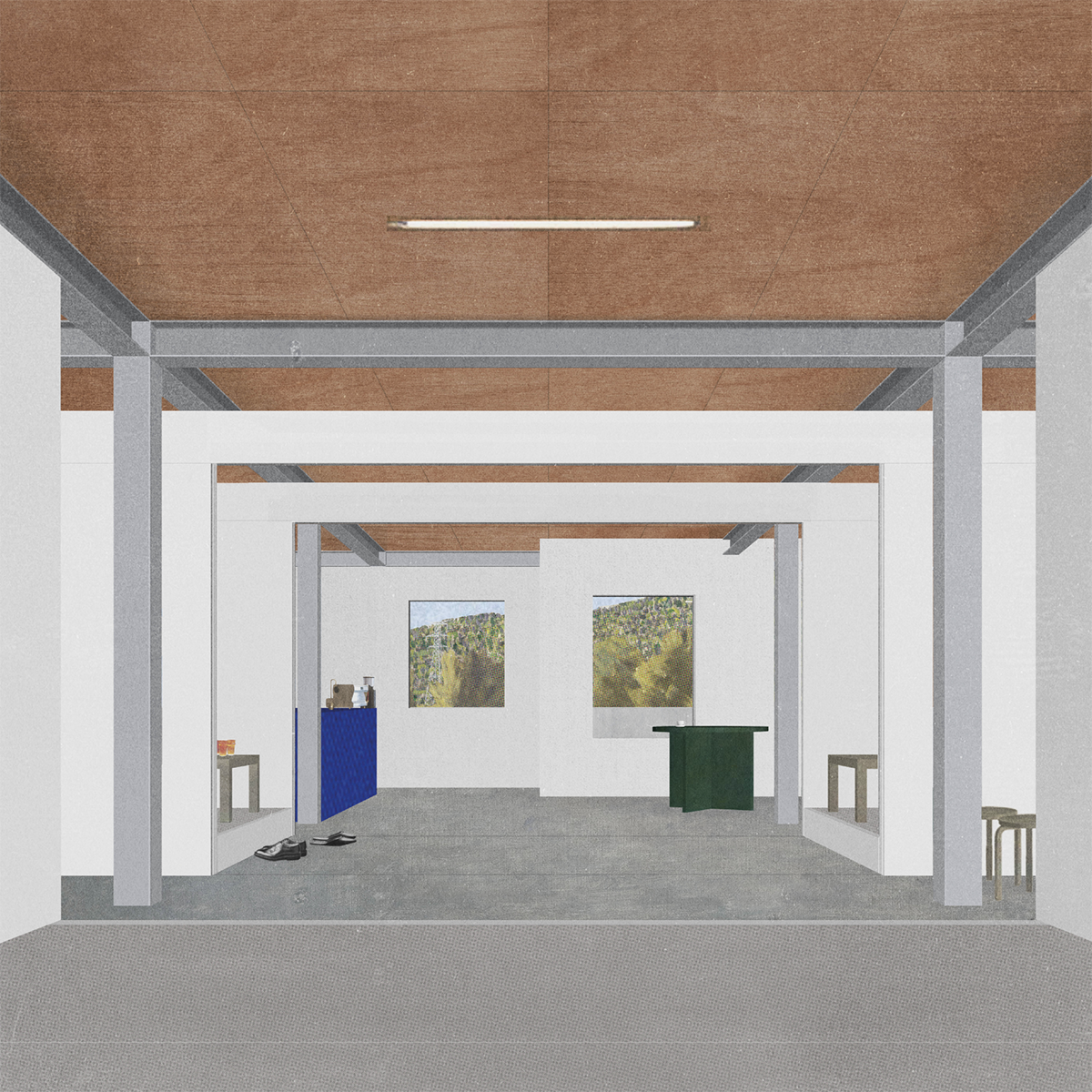
A Brewery Within a Hill is a conceptual architectural proposal integrating industrial production with ecological landscape systems. Designed for a forested slope in rural South Korea, the project embeds brewery infrastructure within hillside topography, treating architecture as mediating apparatus between manufacturing processes, hydrological cycles, and forest regeneration rather than object imposed upon passive site.

The design employs flexible modular grid calibrated to both industrial requirements (grain handling, fermentation vessel spacing, gravity-fed material flow) and ecological constraints (tree spacing, erosion control, runoff management). Porous brickwork façade functions as environmental membrane regulating interior humidity, admitting filtered light, and supporting moss/lichen colonization. Structural system designed for reversibility—steel-and-brick framework enabling reconfiguration as production scales or landscape evolves.

Industrial architecture as ecological operator: production and environment coordinated through single adaptive system.

Cafe
Viewing Platform


Project Context

Rural South Korea faces dual challenges: agricultural decline in hinterland regions and forest degradation from erosion and neglect. Industrial development typically exacerbates environmental pressure through site clearing, hydrological disruption, and resource extraction. Conventional brewery architecture treats landscape as buildable surface requiring flattening, drainage engineering, and separation from production processes.

Design challenge: develop industrial architecture functioning as ecological infrastructure rather than environmental burden. This required integrating building systems with landscape processes (water management, slope stabilization, forest succession), calibrating production layouts to topographic constraints rather than imposing geometric regularity, and designing reversible construction enabling future adaptation without demolition waste.

Proposal needed to demonstrate how manufacturing facility could support rather than degrade ecological systems while maintaining operational efficiency comparable to conventional industrial construction.

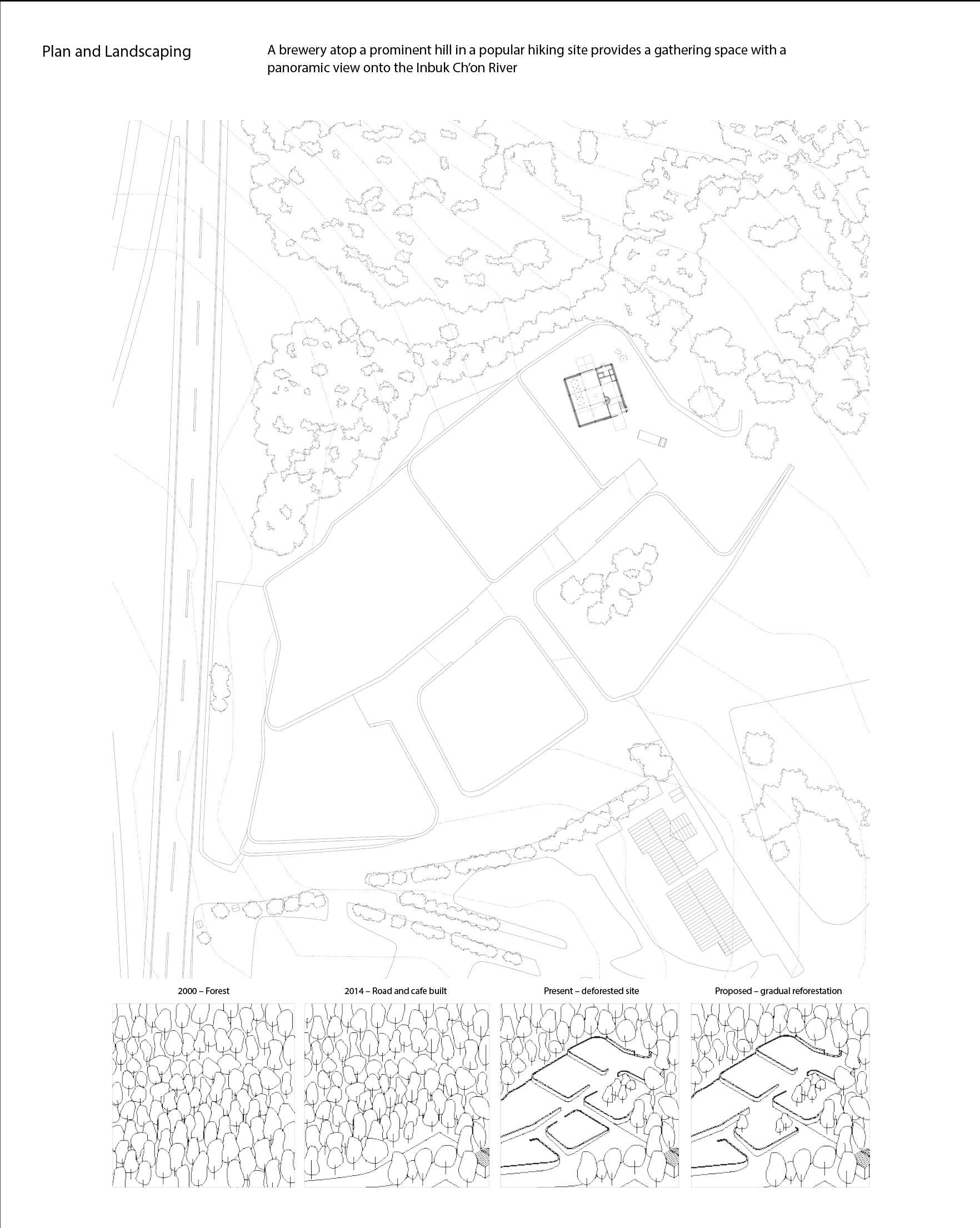
plans forestry


Design Strategy

A Brewery Within a Hill integrates industrial requirements with landscape processes through coordinated architectural-ecological systems:

Topographic integration (Rhino, Grasshopper terrain modeling):
Rather than flattening site, building follows existing slope contours embedding structure within hillside. Grasshopper parametric workflows tested how different grid orientations and module sizes respond to topographic variation, optimizing for minimal earthwork while maintaining operational efficiency. Result: building section leveraging gravity for material flow (grain delivery at upper level, fermentation mid-level, packaging lower level) reducing mechanical handling requirements.

Structural system designed as prosthesis stabilizing slope rather than independent object. Foundations function as erosion control, transferring building loads while managing runoff and preventing downslope soil movement. Integration approach treating construction as hydrological intervention rather than geological imposition.

Modular flexibility (Revit coordination, structural systems):
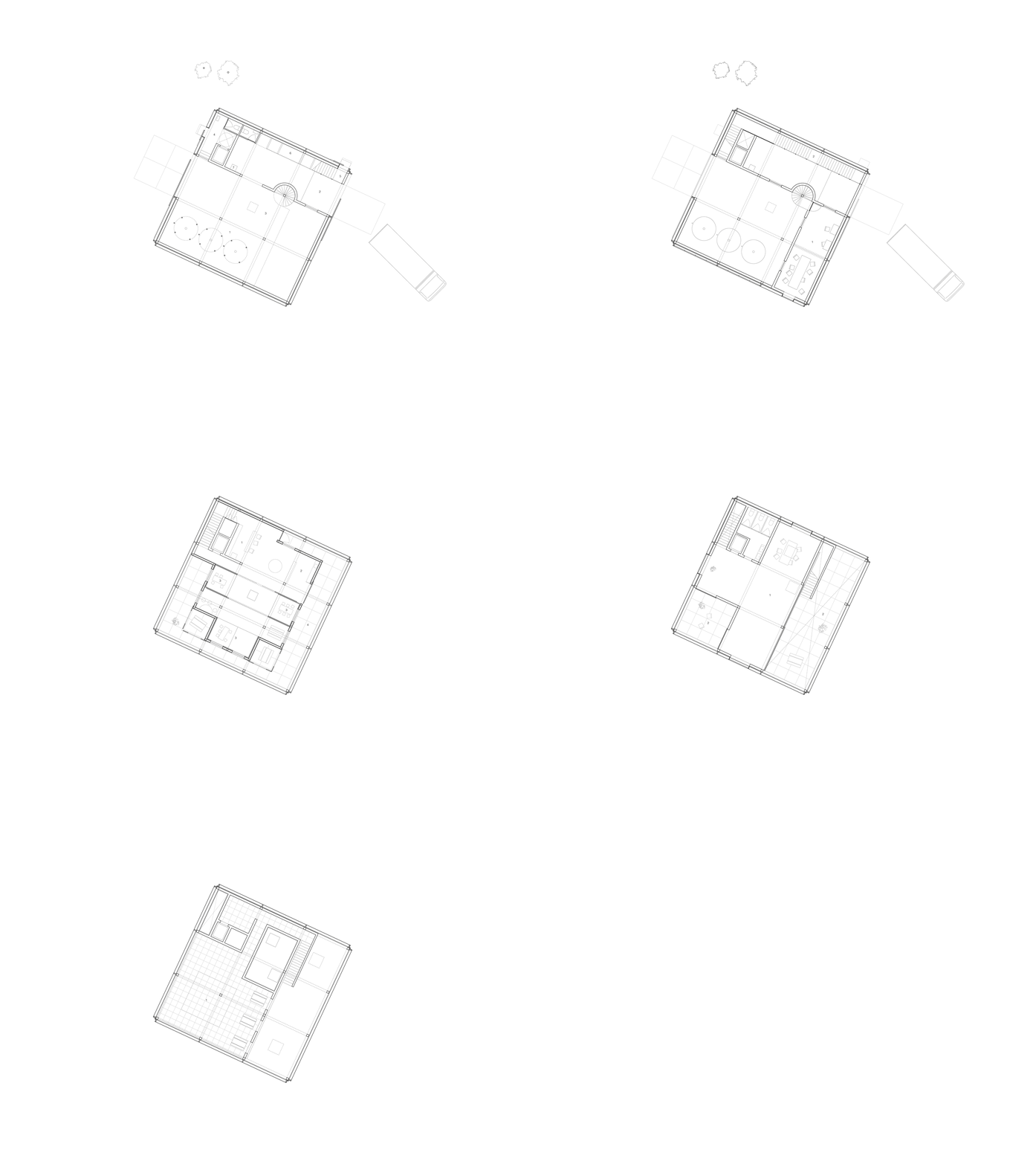
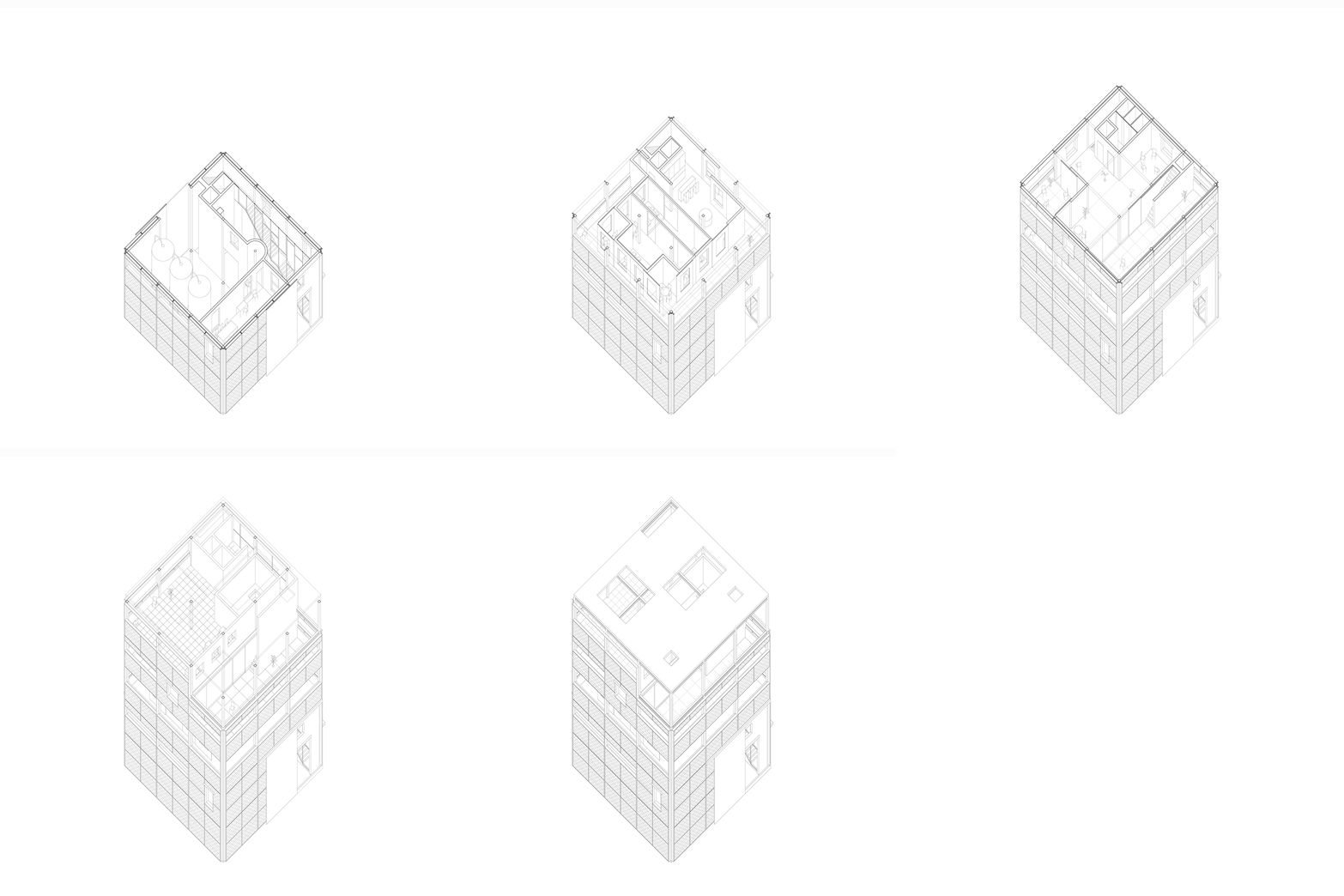
Grid system (6m × 6m module) calibrated to multiple constraints simultaneously: fermentation vessel spacing (industrial), tree spacing for reforestation (ecological), material handling equipment dimensions (logistical). Revit coordination ensuring structural grid accommodates both current program and future expansion/contraction scenarios.

Modularity enabling phase construction aligned with business development and seasonal cycles. Initial phase establishing core production facilities, subsequent phases adding capacity or converting to alternative programs as market/environmental conditions evolve. Design anticipates uncertainty through adaptable infrastructure rather than fixed configuration.

plans
Build diagram

Porous brick envelope (environmental performance analysis):
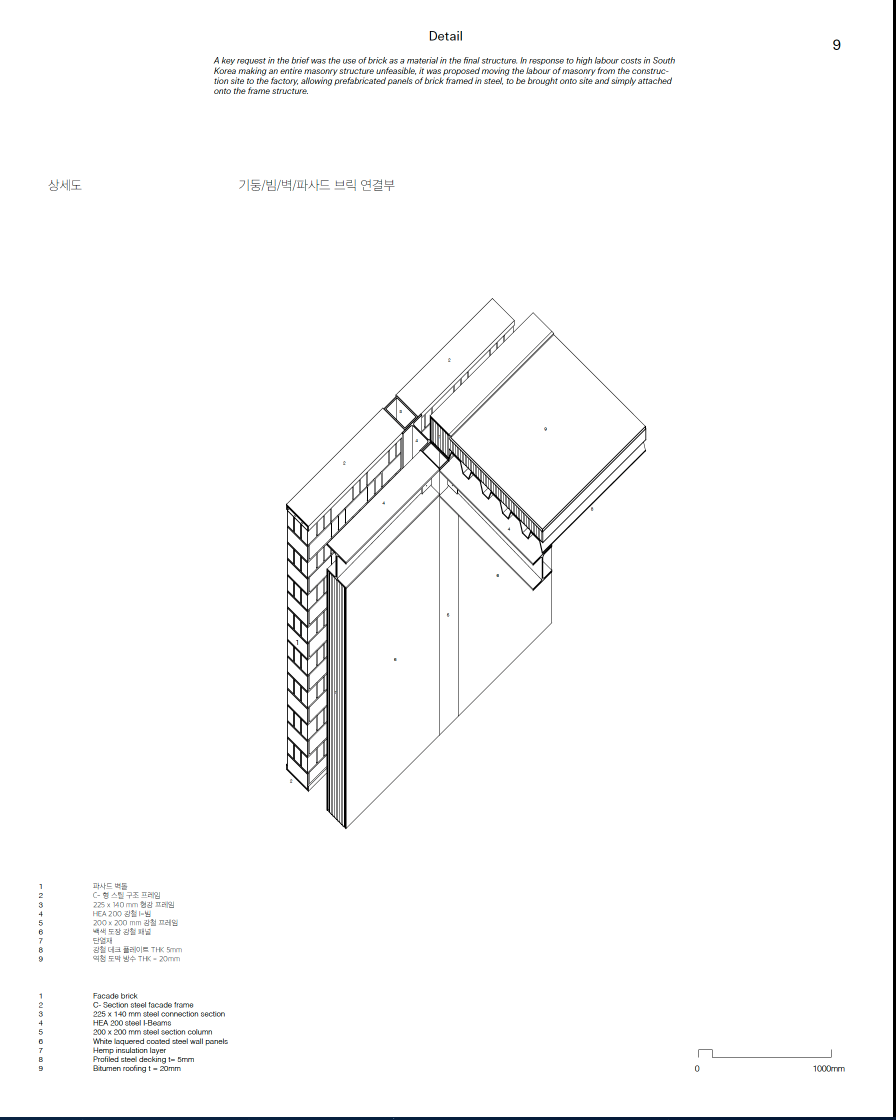
Façade system using perforated brickwork achieving multiple functions: structural enclosure, environmental regulation, ecological substrate. Brick pattern variations (40-60% porosity) calibrated to orientation and program—higher porosity on south/west for solar shading and ventilation, lower porosity on north for thermal retention.

Porous surface regulating interior humidity critical for fermentation processes while reducing mechanical HVAC requirements. Brick moisture absorption/release buffering daily humidity fluctuations. Texture and porosity supporting moss and lichen colonization, transforming façade into living membrane providing additional thermal insulation and air filtration as ecosystem matures.

Environmental analysis testing thermal performance, daylight penetration, and natural ventilation patterns under different brick configurations, optimizing porosity percentages for interior comfort without mechanical systems.

Detail

Gravity-fed circulation (section design):
Building section organized enabling gravity-assisted material flow: grain storage at upper level flows down to milling, milled grain drops to mash tuns, wort gravity-feeds to fermentation vessels, finished product descends to packaging. Circulation design minimizing pumping requirements reduces energy consumption and mechanical failure points.

Human circulation following similar logic: visitor entry at upper level (café, viewing platforms), production observation mid-level, drinking halls at lower level. Sectional organization aligning industrial efficiency with experiential narrative—visitors descend through production process understanding beer-making sequence.

Hydrological integration:
Roof drainage directing runoff to retention systems irrigating adjacent reforestation areas. Gutters doubling as irrigation infrastructure, building envelope managing water as resource rather than waste. Permeable ground surfaces enabling infiltration while structural foundations channeling excess flow preventing erosion.

Design treating water as material connecting building systems to landscape processes—brewery water consumption, wastewater treatment, and stormwater management integrated into site hydrology rather than requiring separate engineered solutions.

axonometric

Social infrastructure (Korean Pocha-inspired drinking halls):
Proposal includes public drinking spaces inspired by Korean street food culture, transforming industrial site into social gathering place. Drinking halls positioned at building base opening to landscape, blurring boundaries between production facility and civic commons. Design demonstrating industrial architecture can support community functions beyond manufacturing.


Design Research

Reversible construction methodology:
Steel-and-brick framework designed for disassembly and reconfiguration. Bolted connections rather than welded, modular brick panels rather than continuous masonry, foundations sized for load redistribution enabling future structural additions. Strategy addressing uncertainty in industrial programming—facilities can expand, contract, or convert to alternative uses without demolition waste.

Ecological apparatus concept:
Proposal reframes architecture as apparatus mediating between systems rather than static object. Building coordinating material cycles (grain → beer → waste → compost), climatic processes (solar exposure → thermal comfort → ventilation), and social rituals (production → consumption → gathering). Each architectural element participating in multiple feedback loops: gutters serving structural drainage and landscape irrigation, thermal walls providing heat retention and biological substrate, circulation spaces enabling workflow and air exchange.

Manufacturing-ecology integration:
Design demonstrates how industrial efficiency and environmental regeneration can be mutually reinforcing rather than opposed. Gravity-fed layouts reducing energy while generating compelling spatial sequences. Porous facades providing fermentation humidity while supporting ecosystem development. Structural systems stabilizing slopes while organizing production.

Approach treating ecology not as amenity added to industrial program but as integrated system where manufacturing and landscape processes inform each other continuously.


Research Contributions

Industrial-ecological integration framework: Developed architectural approach treating production facilities as landscape infrastructure. Demonstrated how industrial requirements (material flow, process sequences, environmental controls) can align with ecological processes (water management, slope stabilization, habitat provision) through coordinated design.

Modular-adaptive industrial architecture: Established design methodology for industrial buildings operating as flexible platforms rather than fixed programs. Grid systems calibrated to multiple constraints enabling phased construction, programmatic evolution, and reversible assembly addressing uncertainty in manufacturing contexts.

Porous envelope performance: Explored architectural envelopes functioning as environmental membranes and ecological substrates simultaneously. Demonstrated how façade systems can provide structural enclosure, climate regulation, and habitat provision through material porosity and texture.

Gravity-optimized industrial sections: Proposed sectional organization leveraging topography for material handling efficiency while creating experiential narratives for public engagement. Showed how industrial logistics and visitor experience can be coordinated through three-dimensional spatial design.

Transferable methodology: Framework applicable beyond brewery typology to industrial architecture generally, particularly facilities sited in ecologically sensitive or topographically constrained contexts. Demonstrates how to integrate manufacturing with landscape systems rather than treating them as incompatible.


Design Philosophy

A Brewery Within a Hill reframes industrial architecture as ecological apparatus—coordinating production, environment, and community through feedback rather than extraction. The proposal challenges disciplinary boundaries between factory, landscape, and commons, demonstrating these can operate as unified recursive system.

Design positioned at intersection of technical precision (industrial efficiency, structural performance, environmental control) and environmental adaptation (topographic response, hydrological integration, ecological succession). Each architectural decision serves both industrial and ecological agendas: modular grid enabling production flexibility and reforestation coordination, porous facades providing climate control and habitat substrate, sectional organization optimizing material flow and visitor experience.

Proposal anticipates future where infrastructure behaves like landscape—responsive, cyclical, self-adjusting. Architecture treated not as intervention upon passive site but as collaboration with active ecological processes. Building becomes medium through which industrial activity and environmental regeneration coordinate, demonstrating that making and growing can operate as integrated processes.

The hill is not built upon—it is built with. Industrial architecture as maintenance rather than extraction.

View